Quick summary:
- The 2026 FIFA World Cup kicks off on 11 June across the United States, Mexico, and Canada.
- New World Cup 2026 kits are already a major part of the build-up, with fans tracking every Argentina, Brazil, Portugal, and England release.
- adidas, Nike, and PUMA are taking very different approaches, from heritage storytelling to cooling tech and bold visual identity.
- These shirts matter beyond the pitch because they shape fan identity, streetwear trends, and the wider tournament culture.
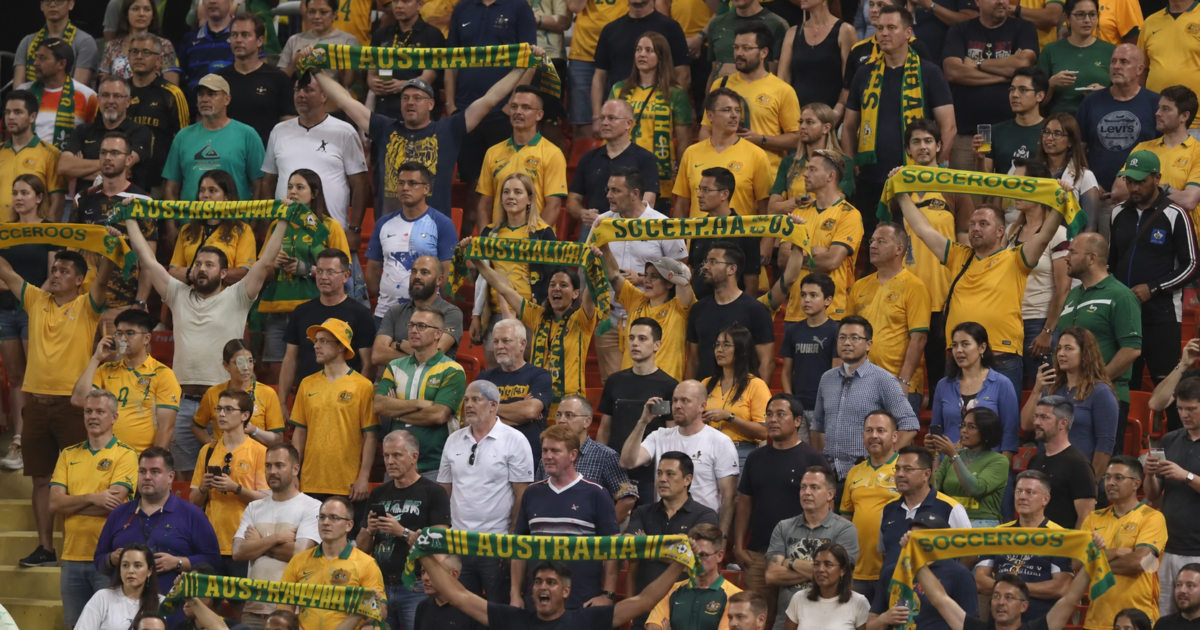
The countdown to the World Cup 2026 is now about more than squads, fixtures, and favourites. For many supporters, the build-up truly starts when the new shirts land. Whether fans are planning to travel to North America, host viewing parties at home, or simply collect the standout drops, the latest World Cup 2026 kits are becoming a huge part of the tournament experience.
The tournament kicks off on 11 June 2026 in the United States, Mexico, and Canada, giving this edition a scale and atmosphere unlike anything football has seen before. That global stage is exactly why kit launches matter so much. A World Cup jersey is never just a uniform. It is a symbol of national identity, a fashion statement, and, for many supporters, the most personal way to feel connected to the team.
That is especially true this time around, with Argentina returning as defending champions after winning the 2022 World Cup. Any new Argentina shirt was always going to generate huge attention, but it is far from the only one. Brazil, Portugal, England, and several other major nations are all driving conversation as brands compete to deliver the most memorable designs of the tournament cycle.
Why World Cup 2026 kits matter more than ever
World Cup shirts have always carried emotional weight, but modern kit culture has expanded far beyond matchday. Supporters now judge jerseys on several levels at once:
- How well they represent the country’s football heritage
- Whether they feel fresh enough for a new generation
- How they look in everyday wear, not only in the stands
- Whether the story behind the design feels authentic
- How they perform in extreme summer conditions
That mix is exactly why the biggest World Cup 2026 kits are drawing so much interest. Fans are not just asking which shirt looks best. They also want to know what it means, what era it references, which brand made the boldest move, and which design could become iconic by the end of the tournament.
For supporters, the right jersey can define an entire summer. It becomes the shirt worn to watch parties, pub nights, airport departures, fan zones, and knockout-round drama. In that sense, World Cup kits are part of football culture and part of lifestyle culture at the same time.
The biggest World Cup 2026 kits generating attention
Argentina: the defending champions carry the heaviest spotlight
Argentina’s 2026 shirt release was always going to be one of the headline stories. As the reigning world champions, every design choice carries extra scrutiny. Supporters want the jersey to honour the history of the Albiceleste while still feeling worthy of a title defence.
That balance between tradition and pressure is what makes Argentina one of the most talked-about World Cup 2026 kits. The classic sky blue and white stripes remain sacred, but subtle modern updates are what turn a familiar template into a new statement. Fans are not just buying a shirt here. They are buying into the idea of defending a crown.
Brazil: expectation, flair, and global style appeal
Few teams influence football fashion like Brazil. Every new Brazil kit sits under a different kind of microscope because supporters expect more than a safe design. They want energy, flair, and something that feels unmistakably Brazilian.
Brazil’s World Cup 2026 jerseys are attracting attention because they sit at the intersection of performance football and global streetwear. Even neutral fans often buy Brazil shirts simply because they carry that timeless blend of prestige and expressive style.
Portugal: modern football identity with premium design appeal
Portugal has become one of the most commercially powerful kit stories in international football. Recent generations have given the national team a stronger global identity, and their new releases tend to land with fans who care as much about visual detail as tournament significance.
For World Cup 2026, Portugal’s shirts are among the most closely watched because they usually combine national symbolism with a sleek, fashion-conscious finish. That gives them broad appeal, from hardcore supporters to casual fans looking for one of the best new jerseys of the summer.
England: heritage, scrutiny, and huge fan demand
No major nation gets discussed quite like England when new kits drop. Every detail is debated, from collar choices and crest treatment to whether the design respects national tradition enough. England shirts always carry weight because of the team’s history, massive fanbase, and strong commercial pull.
For 2026, England’s home and away kits are central to the wider conversation around World Cup style. Fans want a shirt that feels rooted in the past without looking dated, and brands know that getting England right can define an entire launch cycle.
Other top teams also shaping the 2026 kit conversation
While Argentina, Brazil, Portugal, and England are leading many of the headlines, they are not alone. Several other major teams are also influencing the World Cup 2026 kit landscape, especially those backed by the tournament’s leading manufacturers. The overall picture matters because fans increasingly compare releases across brands rather than viewing each shirt in isolation.
adidas World Cup 2026 kits: heritage, Trefoil nostalgia, and modern updates
adidas has taken one of the clearest and most story-driven approaches to World Cup 2026. The brand unveiled home kits for 22 nations on 5 November 2025, then followed that by releasing away kits for 25 partner federations on 20 March 2026. That gave adidas a long runway to shape the conversation before the tournament itself.
The central idea across the adidas World Cup 2026 kit range is a blend of national heritage and modern design. Rather than simply updating templates with new colours, adidas has leaned into identity, memory, and visual cues that connect today’s players and fans to earlier eras of football culture.
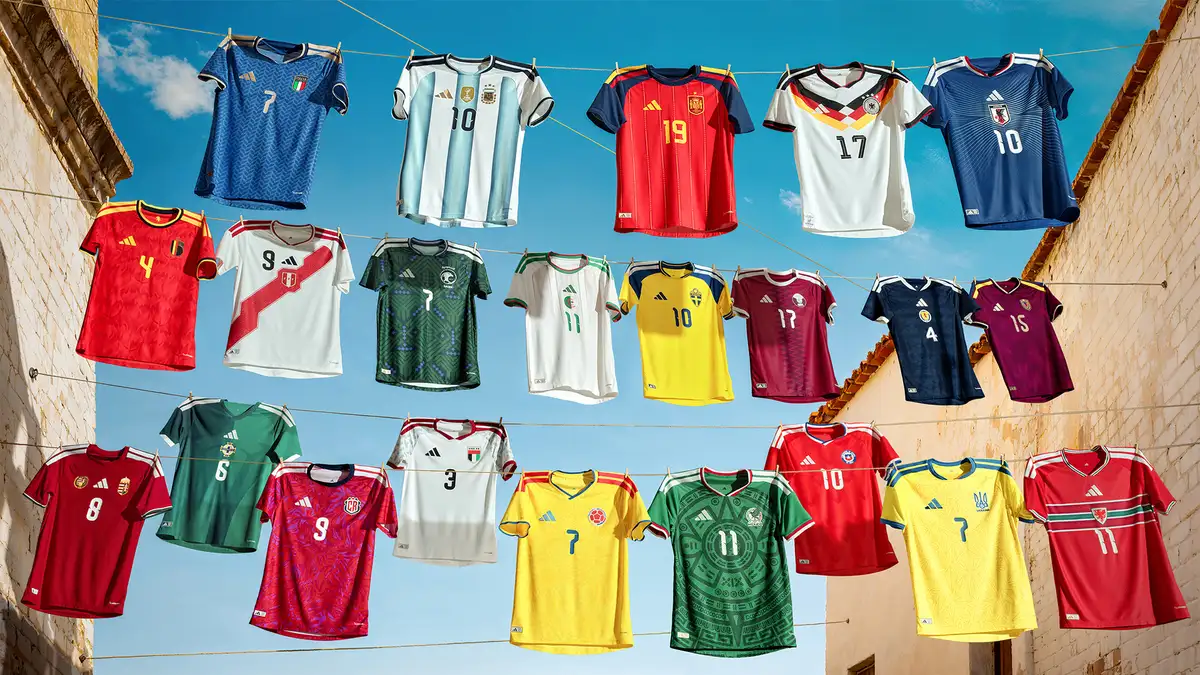
One of the biggest talking points is the return of the adidas Trefoil logo on the world stage for the first time in 36 years. That detail is not just branding nostalgia. It is a deliberate nod to the era when football kits became cultural objects as much as sporting equipment. By bringing the Trefoil back, adidas is clearly tapping into 1990s football aesthetics while reframing them for a new generation.


That 1990s influence runs through the wider collection too. adidas is drawing inspiration from a decade many fans still associate with bold tournament imagery, iconic silhouettes, and a more expressive relationship between football and style. At the same time, these shirts still need to meet modern performance demands, so the retro influence is visual and emotional rather than purely throwback for its own sake.
This is why adidas is leading so much of the World Cup 2026 jersey conversation. The brand is not only selling shirts. It is selling memory, identity, and a version of football culture that feels both familiar and current.
Nike World Cup 2026 kits: culture-led design and performance in the heat
Nike unveiled its home and away kits on 20 March 2026, immediately positioning its range around national culture, heritage, and identity. That approach gives Nike a slightly different angle from adidas. Instead of leaning as heavily on retro football nostalgia, Nike’s messaging focuses more on translating each country’s story into a clean, contemporary kit language.
That matters in a tournament being played across North America in summer conditions. Nike has highlighted its Aero-FIT cooling technology, designed to help players stay more comfortable in the heat. This is a key practical point, not just a marketing one. With matches expected in warm climates and packed stadium environments, cooling, ventilation, and lightweight performance are central to how players will experience these kits on the pitch.
For supporters, that technical side adds credibility. Fans may buy a shirt because it looks sharp, but they also want to feel that what the team wears is made for the realities of a World Cup summer. Nike’s pitch is clear: these jerseys should express national identity while also helping elite players perform under pressure and in difficult conditions.
Nike’s strongest 2026 shirts are likely to be the ones that best fuse those two ideas. If a design feels culturally grounded and visually clean while still carrying obvious technical purpose, it becomes easier for fans to embrace both as sportswear and as everyday wear.
PUMA World Cup 2026 kits: bold impact and identity-first storytelling
PUMA unveiled its World Cup 2026 kits on 24 March 2026, entering the competition with a design philosophy centred on national identity, heritage, culture, and visual impact. In practical terms, that often means PUMA is willing to be a little louder and more direct than its biggest rivals.
That visual boldness matters in a tournament setting. World Cups are remembered through images as much as results: celebrations, crowd scenes, iconic goals, and the shirts attached to them. PUMA’s approach seems built for that reality. The brand wants kits that stand out instantly, whether on television, in stadiums, or across social media.
For fans, this can be a major selling point. Some supporters want subtle heritage references, but others want a shirt that looks unmistakably new and tournament-ready. PUMA’s strength is in delivering high-impact designs that still tie back to a nation’s story.
How adidas, Nike, and PUMA are approaching World Cup 2026 differently
The most interesting part of the 2026 kit cycle is that the top brands are chasing the same emotional outcome through very different methods. All three want players and supporters to feel connected to the shirt, but they are not using the same playbook.
- adidas: heritage-heavy storytelling, retro cues, 1990s football culture, and the Trefoil’s return
- Nike: national culture translated into sleek modern design, backed by Aero-FIT cooling technology
- PUMA: identity-driven concepts with strong visual presence and instant recognisability
That contrast is good for fans. It means the World Cup 2026 kits do not feel uniform across the board. Instead, the market reflects the different ways supporters think about football shirts. Some want nostalgia. Some want performance. Some want visual boldness. The best releases are the ones that manage to combine all three without losing their authenticity.
Which World Cup 2026 jerseys could become the most iconic?
It is always risky to predict which shirts will become tournament classics before a ball is kicked. World Cup kit legacy often depends on what happens on the pitch. A beautiful jersey can fade quickly if the team underperforms, while a divisive design can become legendary if it is linked to a title run or an unforgettable moment.
Still, a few factors usually determine which shirts endure:
- The strength of the design on first impression
- The authenticity of the story behind it
- The stature of the team wearing it
- The quality of the tournament moments attached to it
- Its appeal beyond football, especially in streetwear and casual fashion
That is why Argentina, Brazil, Portugal, and England remain central to this discussion. They combine global fanbases, strong visual identities, and the kind of tournament relevance that can turn a jersey into a lasting symbol.
Why supporters care about new jerseys before the tournament starts
For many fans, buying or following a new shirt release is one of the first real emotional steps into a tournament. It makes the event feel close. It gives supporters something tangible long before line-ups and knockout brackets take over.
World Cup 2026 kits also help fans express how they plan to experience the competition:
- Wearing a home shirt at local watch parties
- Picking up an away jersey for travel and fan-zone days
- Collecting limited or standout releases as memorabilia
- Choosing a shirt that works as casual streetwear beyond the tournament
That is why these launches matter even to people who are not kit collectors in the traditional sense. The jersey becomes part of the full World Cup experience, whether someone is in a stadium in North America or watching from a sofa thousands of miles away.
Final thoughts on the best World Cup 2026 kits
The best World Cup 2026 kits are doing more than updating colours and crests. They are telling stories about heritage, identity, modern performance, and the place football holds in everyday culture. That is why the conversation feels bigger than a simple ranking of shirts.
Argentina carries the aura of defending champions. Brazil brings timeless global style. Portugal offers modern design credibility. England delivers huge emotional and commercial weight. Around them, adidas, Nike, and PUMA are each trying to define what a great modern World Cup jersey should look and feel like.
As the tournament approaches on 11 June 2026, the shirts will only become more important. They will be worn in the stands, in fan parks, at home gatherings, across airports, and all over social feeds. Some will look great for a month. A few will become part of football history. That possibility is exactly what makes every World Cup kit reveal worth watching.