2026 World Cup Winner Odds: Early Favorites, Prices, and What Could Change
The FIFA World Cup 2026 winner odds are already live at major sportsbooks ahead of the tournament beginning on June 11, 2026. That gives football fans and bettors an early chance to compare the leading contenders, understand how the prices are built, and decide whether any team looks overvalued or underrated.
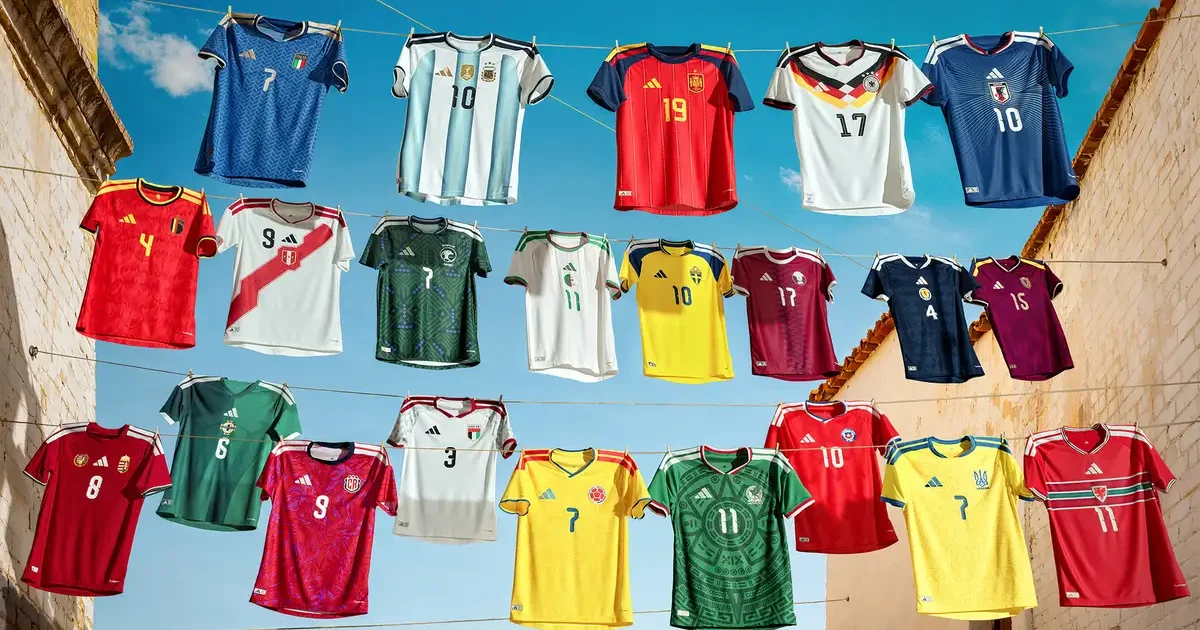
This edition of the tournament will be bigger than ever, with 48 teams competing across the United States, Canada, and Mexico. With more nations in the field and a different tournament structure, early World Cup winner odds are especially interesting because the market still has plenty of time to shift before kickoff.
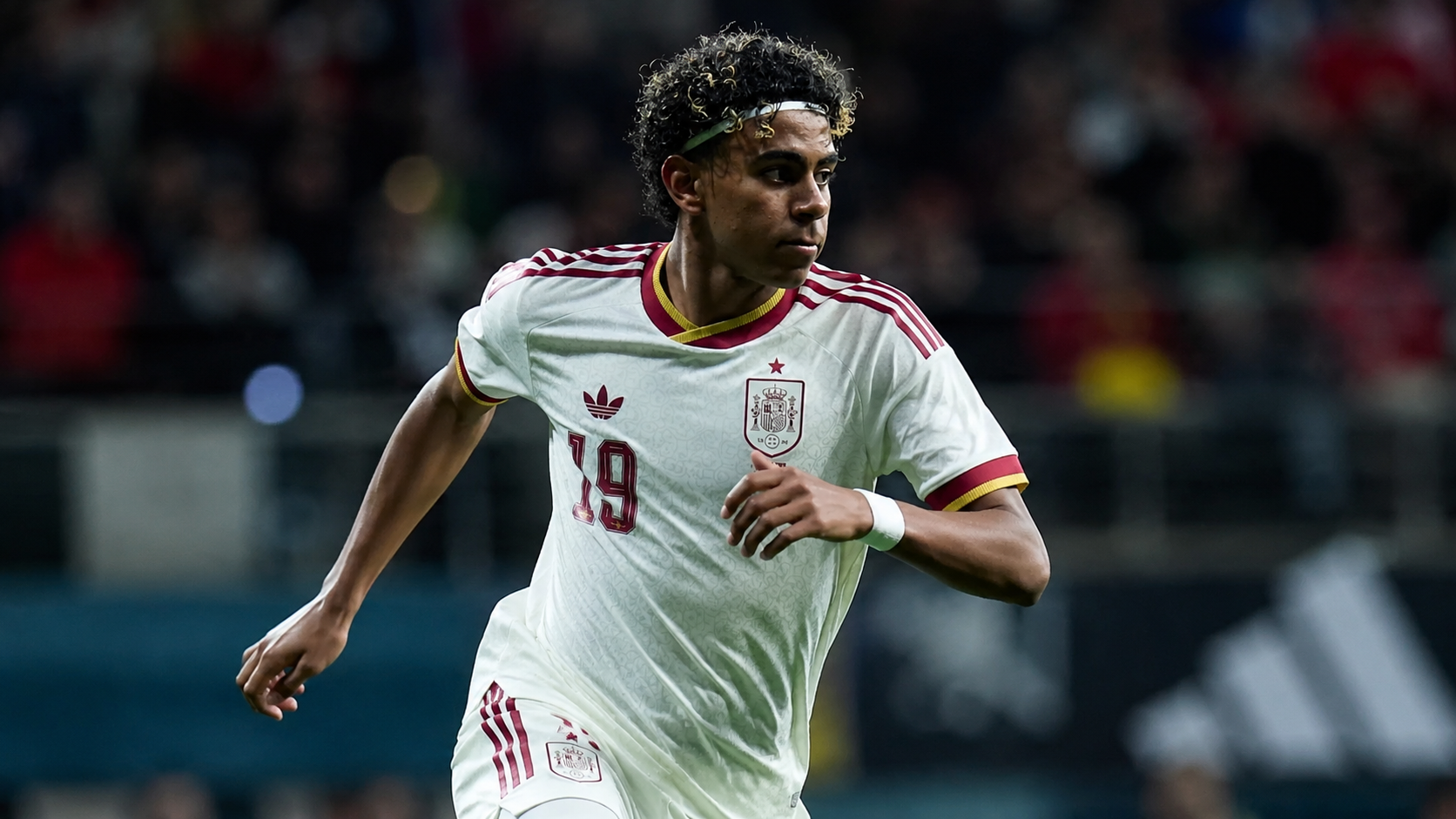
If you are browsing the best betting apps or comparing outright prices across sportsbooks, the names at the top of the board will look familiar: Spain, France, England, Brazil, Argentina, and Germany. These are the teams oddsmakers currently view as the most realistic title threats, though the order can move a lot between now and the final squad announcements.
Who are the early favorites to win the 2026 World Cup?
While prices vary slightly by sportsbook, the early 2026 World Cup winner odds generally place these teams near the top:
- Spain — around +475
- France — around +500
- England — around +650
- Brazil — around +800
- Argentina — around +900
- Germany — another major threat in the upper tier of the market
These numbers are not fixed. Odds can shorten or drift depending on form, injuries, qualifying, coaching news, and the eventual group draw. Still, they offer a useful snapshot of how bookmakers currently rate the top nations.
Spain (+475)
Spain are one of the strongest teams in the early market and are widely listed at around +475. That price reflects a squad with elite technical quality, control in midfield, and the sense that Spain have rebuilt into a side capable of winning another major international tournament.
For bettors, Spain appeal because they combine talent with structure. They also have the kind of tournament profile sportsbooks like: tactical clarity, depth across several positions, and a style that tends to travel well in knockout football.
France (+500)
France remain near the very top of the board at roughly +500, and it is easy to see why. Few nations can match their depth, and Kylian Mbappe is still central to their attack.
France are often priced aggressively in futures markets because they have star power, athleticism, and options all over the pitch. If they arrive healthy, they will likely stay close to the favorite line for most of the build-up to the tournament.
England (+650)
England are usually available at around +650 after several deep runs in recent major tournaments. That recent consistency matters in outright betting. Sportsbooks are not only pricing raw talent; they are also pricing the ability to handle tournament pressure and navigate knockout matches.
England’s squad is typically loaded with Premier League-level quality, and the market respects how often they put themselves in contention. The question, as always, is whether they can turn promise into a title.
Brazil (+800)
Brazil sit around +800 in many early markets. That price suggests respect, but also some caution. The talent is obvious, especially in attack with players such as Vinicius Junior and Raphinha.
There is also intrigue around the idea that Brazil could look more organized under Carlo Ancelotti. If the team becomes more structured without losing its attacking threat, Brazil may shorten significantly before the World Cup starts.
Argentina (+900)
Argentina, the defending World Cup champions, are often priced around +900. That makes them slightly behind the leading trio in the market, but still firmly among the main contenders.
Defending champions often draw strong interest because they have already shown they can manage the demands of a World Cup. If Argentina continue to look balanced and dangerous during the lead-up, their odds could tighten.
Germany
Germany should not be ignored. Even if they are not the outright top favorite today, they remain one of the biggest names in international football and are always capable of becoming dangerous with momentum.
For value hunters, Germany may be a team worth monitoring. A strong qualifying stretch, better chemistry, or a favorable draw could make their price look more appealing than some of the shorter favorites.
How do World Cup winner odds work?
Most U.S.-facing sportsbooks display American odds. When you see a team at +500, that means a $100 bet would return $500 in profit if the team wins the World Cup, plus your original stake back.
The lower the positive number, the stronger the team is considered in the market. So:
- +475 suggests a stronger chance than +800
- +500 suggests a stronger chance than +900
This does not guarantee anything on the pitch, of course. It only shows how sportsbooks are pricing each team at that moment.
What is implied probability?
Implied probability is a simple way to turn betting odds into an estimated chance of winning.
For positive American odds, you can calculate it with this formula:


Implied probability = 100 / (odds + 100)
Example:
If a team is +500, the calculation is:
100 / (500 + 100) = 100 / 600 = 0.1667
That means the implied probability is about 16.7%.
Using that same logic:
- Spain +475 = about 17.4%
- France +500 = about 16.7%
- England +650 = about 13.3%
- Brazil +800 = about 11.1%
- Argentina +900 = about 10.0%
This is useful because it helps you judge whether a team’s listed price matches your own view of its real chances.
Why are these teams rated so highly?
Early World Cup odds are not based on reputation alone. Bookmakers build prices from a mix of current strength and projected tournament performance.
Key factors include:
- Squad depth — Can a team survive injuries and suspensions?
- Player injuries — A missing star can move the market quickly.
- Recent form — Nations in good rhythm usually attract more support.
- Qualifying performance — Dominant qualifying campaigns strengthen confidence.
- Coaching changes — A new manager can improve or unsettle a contender.
- Final squad announcements — Selection surprises often affect odds.
- Warm-up matches — Friendly performances can shift public and bookmaker opinion.
- Group draw difficulty — An easy or difficult group matters.
- Projected knockout-stage path — A smoother route can make a big difference.
That is why odds available today should be seen as an early snapshot, not a final verdict.
What could change the market before June 11, 2026?
The outright market is likely to move several times before the tournament begins. If you are thinking about taking an early price, timing matters.
Injuries and fitness
A serious injury to a key player can push a team’s odds out immediately. The opposite is also true: if an important player returns in top condition, a nation may shorten.
Coaching impact
Coaching changes can reshape a contender’s profile. Brazil under Carlo Ancelotti is a perfect example of a team that could be rated more highly if tactical improvements show up consistently.
The group draw
Once the World Cup groups are finalized, some teams will look much better positioned than others. A favorable group can help a favorite conserve energy and avoid an early heavyweight clash.
Knockout projections
Sportsbooks also react to projected round-of-16 and quarterfinal routes. A top team with a cleaner path often sees stronger market support.
Public betting momentum
Major nations like England, Brazil, and Argentina often attract heavy public money. That alone can influence the price, especially as media attention builds closer to the tournament.
Recent World Cup winners
Looking at recent champions helps add context to the current market:
- 2022: Argentina
- 2018: France
- 2014: Germany
- 2010: Spain
That list also explains why those same nations continue to command respect in the 2026 World Cup odds. Tournament pedigree matters, especially in pressure matches where experience can decide fine margins.
Should you bet early or wait?
There is no one-size-fits-all answer. Betting early can lock in a bigger price before a team shortens. Waiting gives you more information about injuries, form, and the draw.
A practical approach is to compare lines at multiple sportsbooks and ask two simple questions:
- Do I think this team’s true chance is better than the implied probability?
- Is there a realistic reason this price will shorten before the tournament?
If the answer to both is yes, an early outright can make sense. If not, waiting may be smarter.
Final thoughts on the 2026 FIFA World Cup winner odds
The early 2026 FIFA World Cup winner odds point to Spain, France, England, Brazil, Argentina, and Germany as the major teams to watch. Spain and France lead many boards, England remain firmly in the mix, Brazil carry huge upside, Argentina have champion credibility, and Germany are dangerous enough to stay on every serious shortlist.
With the tournament set to start on June 11, 2026 across the USA, Canada, and Mexico, there is still plenty of time for the market to move. For bettors, that makes now a good time to learn the numbers, track changes, and compare sportsbook prices rather than rushing into a pick.