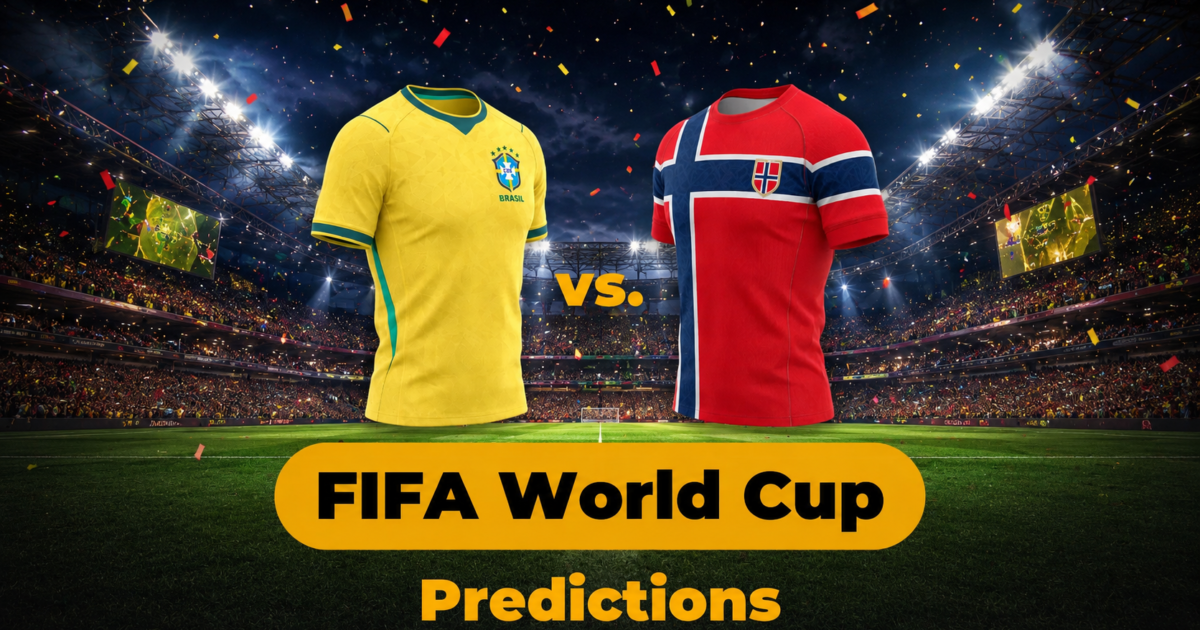
This FIFA World Cup 2026 beginner guide explains the biggest edition of the tournament so far, from the new 48-team format to the host countries, basic football rules, main contenders and star players to follow. For the first time, the FIFA World Cup will be hosted by three countries: Mexico, Canada and the United States, which means more matches, more nations involved and an even larger global audience.
World Cup 2026 Beginner Guide: What New Fans Need to Know
The FIFA World Cup is the biggest international football tournament in the world. National teams qualify through regional competitions, then meet at the final tournament to compete for the trophy.
The 2026 FIFA World Cup is important for two main reasons:
- It is the first World Cup with 48 teams
- It is the first World Cup hosted by three nations together
That combination makes this tournament feel different from every previous edition. More countries will have a chance to take part, and matches will be spread across North America instead of being centered in one host nation.
How the 2026 World Cup Format Works
If you are a beginner, the format can sound confusing at first. The easiest way to understand it is to split the tournament into two parts: the group stage and the knockout stage.
Group Stage
The 48 teams will be divided into 12 groups of four teams each. In the group stage, every team plays three matches, one against each of the other teams in its group.
Teams earn points from each match:
- Win = 3 points
- Draw = 1 point
- Loss = 0 points
At the end of the group stage, the teams with the most points move on. The top two teams in each group qualify automatically, and the eight best third-place teams also go through. That creates a round of 32 for the first knockout round.
What Happens If Teams Finish Level on Points?
When two or more teams finish with the same number of points, tie-break rules are used. The most common ones are:
- Goal difference
- Goals scored
- Head-to-head result
You do not need to remember every technical detail. In simple terms, teams are rewarded for winning clearly and scoring more goals.
Knockout Stage
After the group stage, the tournament becomes a straight knockout competition:
- Round of 32
- Round of 16
- Quarter-finals
- Semi-finals
- Final
In this stage, the loser is eliminated and the winner advances.
Extra Time and Penalties Explained
If a knockout match is level after 90 minutes, it does not end in a draw.
- The match goes to extra time, which is two 15-minute periods
- If the score is still level, it goes to a penalty shootout
In a shootout, players take turns trying to score from the penalty spot. This is one of the most dramatic parts of the World Cup and often produces the tournament’s most memorable moments.
Basic Football Rules New Fans Should Know
You do not need to understand every rule to enjoy the World Cup. These basics are enough to follow most matches comfortably.
The Main Objective
Each team tries to score by getting the ball into the opponent’s goal. The team with more goals at the end of the match wins.
Match Length
A standard football match lasts 90 minutes, split into two 45-minute halves, plus added time for stoppages.
Offside
Offside is one of the most confusing rules for new viewers. In simple terms, an attacking player cannot wait too close to the opponent’s goal for an easy pass unless enough defenders are between that player and the goal when the pass is made.
Fouls and Cards
Referees give free kicks or penalties for fouls. Players can also be shown cards:
- Yellow card = warning
- Red card = player sent off
A team with a red card must continue with one fewer player, which can change a match completely.
Why the 2026 World Cup Is Unique
The 2026 tournament stands out because it will be shared by Mexico, Canada and the United States. That means fans will see different stadiums, travel routes, atmospheres and local cultures across one single World Cup.
It is also historic because Mexico will become the first country to host World Cup matches in three different men’s World Cups. The United States returns as a host after the successful 1994 tournament, while Canada will host men’s World Cup matches for the first time.
This multi-country setup should create a broader North American festival feeling, with matches played in major cities across the continent.


FIFA World Cup 2026 Host Cities by Country
One of the most searched topics around the FIFA World Cup 2026 guide is where matches will be played. The tournament will use 16 host cities across the three nations.
United States Host Cities
- Atlanta
- Boston
- Dallas
- Houston
- Kansas City
- Los Angeles
- Miami
- New York/New Jersey
- Philadelphia
- San Francisco Bay Area
- Seattle
Canada Host Cities
- Toronto
- Vancouver
Mexico Host Cities
- Guadalajara
- Mexico City
- Monterrey
This spread of venues is a major part of what makes the 2026 World Cup feel larger than usual. Fans can follow the competition in iconic stadium cities from the Pacific coast to the East Coast, and from Canada down to central Mexico.
Which Teams Are Likely to Be the Main Favourites?
It is still too early to make firm predictions, but some national teams are already expected to attract major attention because of their squad quality, depth and tournament pedigree.
France
France remain one of the strongest international sides in the world. They have world-class talent in multiple positions and recent experience of going deep into major tournaments.
Spain
Spain look like a team with a bright future and a clear playing identity. Their mix of technical quality and emerging young stars makes them one of the most watched contenders.
England
England have built a strong squad in recent years and regularly enter major tournaments with high expectations. Their depth in attack and midfield gives them real staying power.
Brazil
Brazil always draw attention at the World Cup because of their history, flair and individual talent. They remain one of the biggest names in international football and will be closely followed again in 2026.
Other teams may also emerge as serious challengers depending on qualification, injuries and form, but these four are among the most discussed early favourites.
Key Players to Watch at the 2026 World Cup
Star players often shape the story of a World Cup. Even casual fans usually connect with the tournament through the biggest names on the pitch.
Kylian Mbappé
Mbappé is already one of the defining players of his generation. His speed, finishing and big-match record make him one of the most important figures of the tournament.
Lamine Yamal
The Spanish winger is one of football’s most exciting young talents. If his rise continues, 2026 could be the tournament where he becomes a global superstar.
Lionel Messi
Messi’s presence alone draws worldwide interest. If he is involved, many fans will see it as another chance to watch one of the greatest players in football history on the World Cup stage.
Cristiano Ronaldo
Ronaldo remains one of the most famous athletes in the world. Whether as a starter or veteran leader, his role would be one of the biggest talking points of the tournament.
Neymar
Neymar brings creativity, flair and experience. If fit, he can still be one of Brazil’s most influential players and one of the competition’s most entertaining performers.
Vinícius Júnior
Vinícius Júnior offers pace, skill and direct attacking threat. He is expected to be a central figure for Brazil and a player defenders will fear.
Jude Bellingham
Bellingham has quickly become one of England’s most important players. His all-round midfield game and maturity make him a major name to watch.
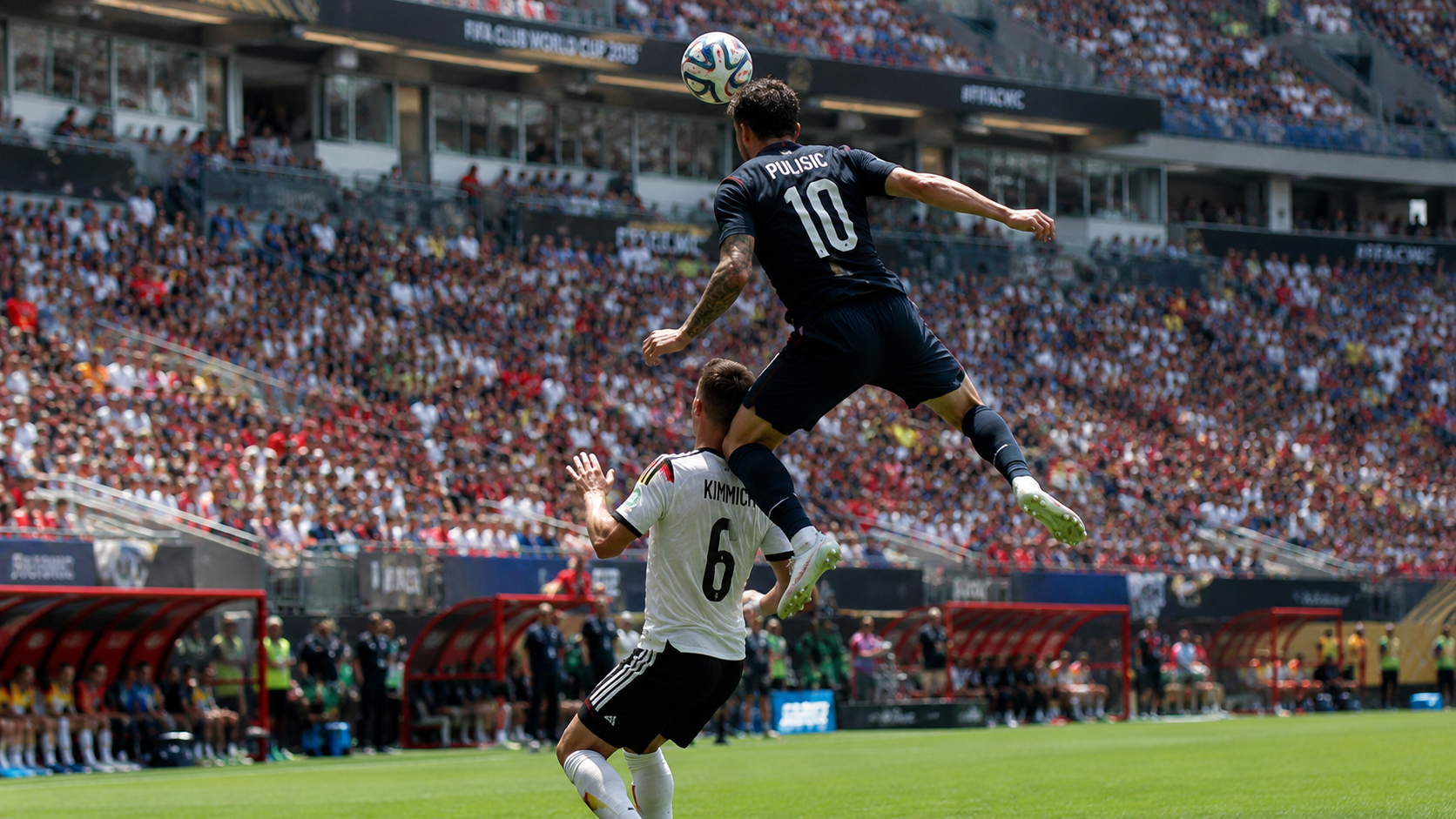
Christian Pulisic
Pulisic is the leading face of the United States team. As one of the host nation’s top stars, he could play a big role in generating local excitement.
Alphonso Davies
Davies gives Canada speed and energy from wide areas. As Canada’s standout player, he will be central to their hopes of making an impact at home.
Son Heung-min
Son is one of Asia’s biggest football stars. His finishing, movement and leadership make him an important player for neutral fans to follow.
What New Fans Should Watch For During the Tournament
If you are watching the World Cup for the first time, a few simple things can make the experience more enjoyable:
- Follow the group tables after every match
- Pay attention to goal difference late in the group stage
- Notice how tension increases in knockout matches
- Watch how star players perform under pressure
- Enjoy the different styles of play from different countries
The World Cup is not just about one final. It is a month-long event full of surprises, upsets, emotional moments and breakout stars.
Final Word on This World Cup 2026 Beginner Guide
The FIFA World Cup 2026 is expected to be one of the biggest and most watched sporting events in history. It combines the prestige of the World Cup with a new 48-team format, three host countries and a huge number of world-famous players.
For longtime fans, it will be a historic new chapter. For new fans, it may be the easiest World Cup ever to get into because there will be more teams, more stories and more chances to discover players and nations you enjoy following.
If you want a simple takeaway, it is this: the 2026 World Cup will be larger, broader and more international than any version before it. That is exactly why so many people are already looking forward to it.