World Cup 2026 Travel Guide for Fans Exploring North America
World Cup 2026 travel guide planning is not only about flights, hotels and match tickets. For many travelling supporters, the tournament is becoming a full North American adventure shaped by local food, roadside stops, regional sports culture and convenience chains that feel completely ordinary to locals but surprisingly memorable to overseas visitors.
This is one of the most entertaining side stories of World Cup 2026 fan travel in America. For many international supporters, the trip is no longer just about getting into the stadium on matchday. It is about the drives between cities, the late-night meals, the odd little cultural details, and the kinds of places they have only ever seen in films, memes or social media clips.
German creators Freddy and Fiago have become good examples of this trend, sharing their travel discoveries online as they move through the American South. Their videos show how everyday stops like Waffle House, Taco Bell and Wendy’s can suddenly become part of the wider World Cup experience when viewed through the eyes of a first-time visitor.
What “football tourism” means during World Cup 2026
Football tourism is one of the clearest themes emerging around the tournament. Supporters are flying in for matches, but they are also building full travel itineraries around those games. Instead of simply arriving, watching 90 minutes and leaving, fans are treating the World Cup as a reason to explore cities, road trip between venues and experience local culture in a more personal way.
That matters even more in 2026 because this tournament is spread across a huge geography. With 48 teams, multiple fan bases and host cities across North America, supporters are spending more time on the road and in unfamiliar places. That naturally creates more crossover between football culture and everyday life in the US, Canada and Mexico.
For many European fans, especially those used to shorter domestic and international away trips, America can feel oversized, chaotic, fun and highly visual all at once. A gas station can be a destination. A fast food stop can become content. A college football stadium can feel like a monument. That is exactly why World Cup 2026 fan travel in America is producing so many viral moments already.
Freddy’s American food stops are part of the story, not the whole story
Freddy’s trip has stood out because it captures the tone of fan discovery perfectly: light, curious and a little amused. His late-night Waffle House stop in Georgia is a great example. To many Americans, Waffle House is simply there when everything else is closed. To a visiting football supporter, it is a full cultural experience with bright lights, diner-style service and the kind of late-night atmosphere that feels instantly familiar from the internet.
His reaction to Taco Bell in Atlanta drew attention for similar reasons. It was not just about whether the meal was good. It was about finally trying a brand that many international fans know by name long before they ever see one in person. The same goes for his Wendy’s stop, which became another reminder that even routine American chains can feel iconic to visitors discovering them between matches.
One of the most relatable moments from Freddy’s content was his first experience using a soda machine with a huge number of flavour options. For American customers, that kind of self-serve drinks machine barely registers anymore. For travelling fans, though, choosing between a wall of combinations can feel like peak US excess in the funniest possible way.
These moments work online because they are small, authentic and easy to recognise. They are not polished tourism ads. They are genuine reactions to ordinary things, which is why so many people engage with them.
Why these travel moments are going viral with football fans
The appeal is simple. World Cup content does not have to be limited to training updates, line-ups and score predictions. Fans also want to see what the host countries feel like. Social clips from supporters trying American chains, visiting roadside landmarks or filming huge parking lots and massive portions give followers a more human view of the tournament.
There is also a social media sweet spot here:
- well-known American brands are instantly recognisable worldwide
- first-time reactions are easy to share
- football fans love seeing how other supporters experience away travel
- short travel clips fit naturally alongside matchday content
That is why World Cup 2026 fan travel in America is likely to keep trending. Every fan base brings its own humour, habits and expectations, and every host region offers something slightly different in return.
Best fan travel stops beyond the stadiums
If supporters want to turn match trips into something bigger, a few classic stops already stand out. These places are not just tourist boxes to tick. They each show a different side of American culture that international visitors may find surprisingly fun.


Buc-ee’s
Buc-ee’s is not just a gas station. For first-time visitors, it often feels more like a roadside event. Known for enormous stores, ultra-clean restrooms, endless snack options and a larger-than-life identity, Buc-ee’s has become one of those places travellers go to partly because everyone tells them they have to.
For football supporters driving between host cities, it makes sense as a stop because it captures a very specific type of American road trip culture. It is practical, excessive and oddly entertaining all at once.
Tiger Stadium at LSU
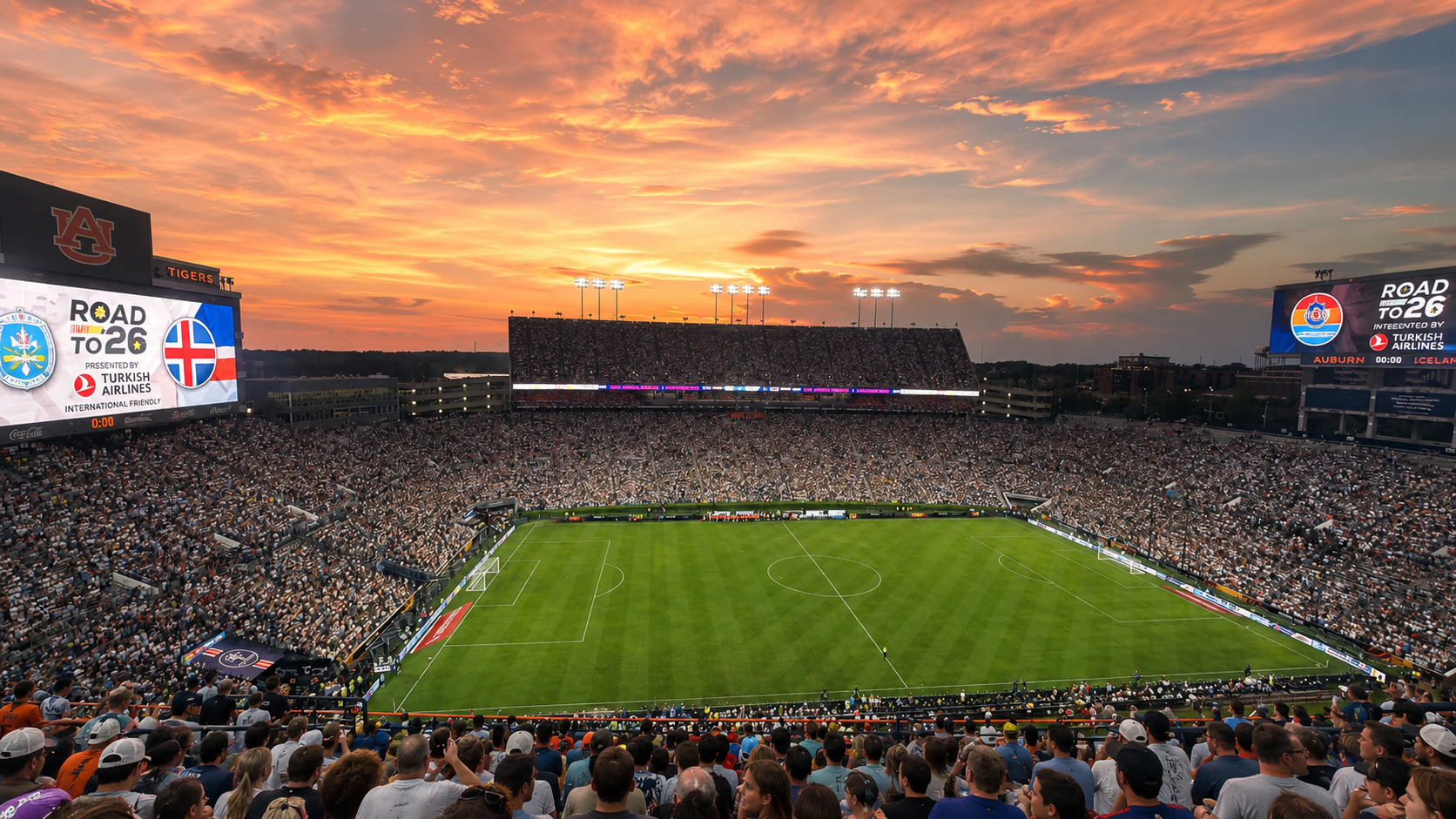
Even fans travelling for the FIFA World Cup often end up curious about other American sports traditions. Tiger Stadium at LSU is one of the best examples of that crossover. College football in the South has a scale, emotion and tailgating culture that can genuinely surprise overseas visitors.
For supporters interested in stadium culture beyond soccer, LSU offers a look at how seriously regional sports identity is taken in America. It helps explain why stadium visits are becoming part of World Cup 2026 travel plans even on non-match days.
Bourbon Street in New Orleans
Bourbon Street gives fans something completely different: music, nightlife, street energy and a sense of place that is impossible to confuse with anywhere else. New Orleans has long been one of the most distinctive cultural stops in the US, and it fits naturally into a World Cup road trip for supporters moving through the South.
For many visitors, it is the kind of place where football tourism expands into a wider travel memory. You may arrive because of a match schedule, but you leave remembering the atmosphere, food, live music and crowds just as much as anything that happened inside a stadium.
England fans in Florida are showing this trend is only getting bigger
German supporters are not the only ones turning their World Cup trips into broader cultural adventures. England fans are also beginning to explore local spots in Florida ahead of their opening match, offering another early sign that supporter travel will stretch well beyond the fixture list.
Florida is a strong example because it combines beaches, chain restaurants, outlet shopping, sports bars and tourist-heavy neighbourhoods that naturally invite this kind of discovery. For many travelling fans, it is a place where pre-match time can easily turn into a mini holiday.
As more national teams arrive and more supporters document their journeys, this style of fan content is likely to spread quickly. A new city means new food, new habits, new landmarks and new chances for cultural misunderstandings that become funny, shareable stories.
Why World Cup 2026 in North America is built for cultural crossover
The scale of this tournament is what makes all of this so interesting. A 48-team World Cup across North America creates a travel map that is far bigger than a standard tournament. Fans will move between regions with very different accents, food scenes, weather, sports cultures and local identities.
That variety is likely to shape the wider story of the competition in a major way. Alongside the football itself, there will be countless moments where international supporters and local communities interact through bars, diners, fan zones, convenience stores, highways and neighbourhood landmarks.
In practical terms, that means World Cup 2026 fan travel in America will probably include:
- road trips between host cities
- visits to famous fast food and diner chains
- stops at regional attractions and sports venues
- viral social media clips built around first-time experiences
- more interest in local culture between matchdays
For readers planning their own trip, that is also a useful reminder: leave room in the itinerary. The best memory may not be the game itself. It could be the late-night food stop after it, the random roadside attraction on the drive, or the neighbourhood bar where fans from three different countries end up watching highlights together.
The real World Cup 2026 experience will happen between the matches
The biggest takeaway from these early fan stories is simple. The World Cup 2026 fan experience will not be remembered only for goals, results and knockout drama. It will also be remembered for the road trips, local food, viral discoveries and small cultural moments that happen between matches.
That is what makes this tournament feel different. Supporters are not just arriving in North America to watch football. They are using football as the reason to explore America beyond the stadiums, and in doing so they are turning everyday places into part of the World Cup story.