Summary:
- FIFA has launched a new prediction market ahead of world cup 2026.
- Fans can make match picks, tournament progression predictions, and live in-play calls.
- The platform is designed as a fan-engagement product, not a traditional sportsbook.
- The rollout reflects FIFA’s wider digital strategy for major football events.
- It adds another interactive layer to the build-up for world cup 2026.
World Cup 2026 prediction market interest is growing after FIFA’s new platform launch added a fresh digital angle to the tournament build-up. The road to World Cup 2026 is no longer just about squad announcements, stadium previews and early power rankings. Supporters now have a structured way to test their football instincts before and during the competition.
Instead of placing conventional bets through a bookmaker, users on FIFA’s new platform can engage by forecasting match results, choosing how teams will progress through the bracket, and reacting to live in-play moments. That makes this one of the more notable fan-facing digital additions in the lead-up to world cup 2026.
For fans searching for key information on world cup 2026, this launch matters because it shows how tournament coverage is evolving. Watching matches is still the core experience, but prediction games, live data features, and second-screen engagement are becoming a bigger part of how global audiences follow football’s biggest event.
What Is FIFA’s World Cup 2026 Prediction Market?
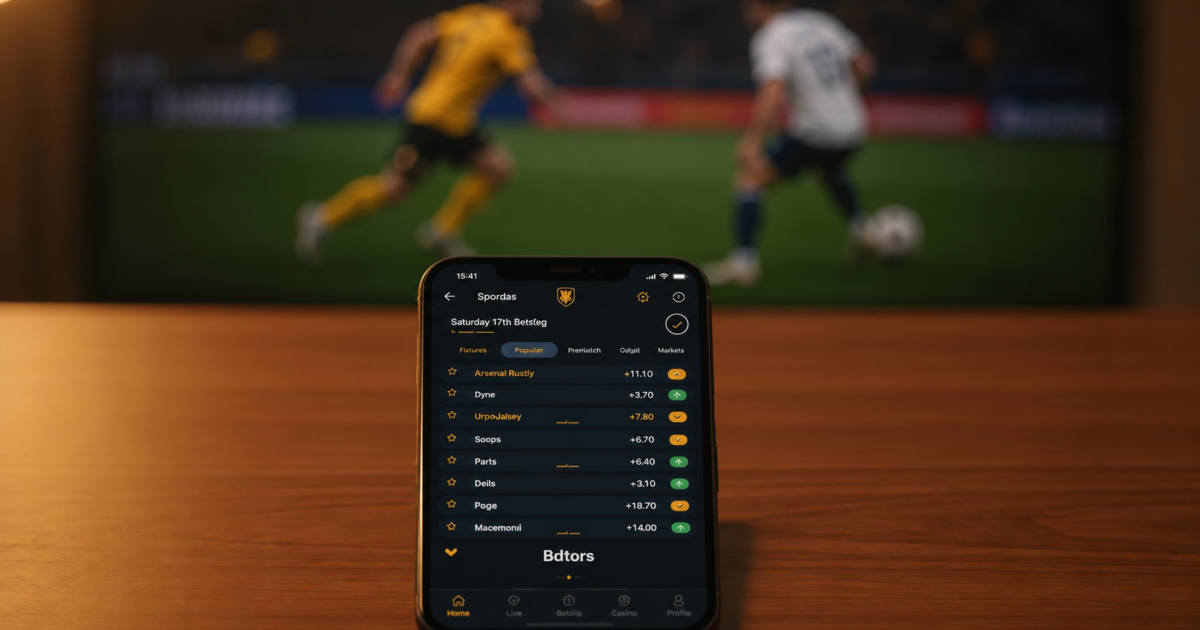
At its core, the new FIFA prediction market is an interactive platform where fans can make outcome-based picks connected to world cup 2026. These picks can include:
- Match result predictions
- Score-related calls
- Group-stage qualification picks
- Knockout bracket progression forecasts
- Live in-play event predictions during games
The experience is closer to a gamified forecasting hub than a traditional betting site. Users are encouraged to follow matches more closely, compare their reads with other fans, and stay engaged across the full tournament rather than only during high-profile fixtures.
This distinction is important. Many users searching world cup 2026 prediction market want to know whether this is a sportsbook, a free-to-play game, or a hybrid product. Based on the launch messaging, the central focus is fan participation and digital interaction rather than standard wagering mechanics.
Why FIFA Is Launching It Ahead of World Cup 2026
There is a clear strategic reason for the timing. World cup 2026 will be one of the biggest and most digitally followed football events ever, helped by its scale, its host markets, and the always-on nature of modern sports consumption. FIFA is moving early to capture that audience before the opening match.
By introducing a prediction market in advance, FIFA can:
- Build fan interest earlier in the tournament cycle
- Create repeat visits across qualifiers, previews, and warm-up coverage
- Encourage second-screen behaviour during matches
- Gather stronger engagement across global audiences
- Offer a football-focused interactive product without relying on standard betting models
For supporters, this means world cup 2026 coverage becomes more interactive. Fans are no longer just reading team news and watching highlights. They can actively participate in the flow of the competition by making picks and tracking how accurate they are over time.
How the Platform Works for Fans
Match Predictions
The most straightforward use case is predicting individual matches. Fans can make pre-match calls on likely outcomes and potentially other football-specific markets tied to game flow. This gives casual viewers and data-driven fans alike a simple entry point.
For example, users following world cup 2026 may be able to predict:
- Who wins a match
- Whether a game ends level
- Which side is more likely to score first
- Other event-based outcomes connected to official match coverage
Tournament Progression Picks
This is where engagement often gets deeper. Fans do not just want to call one result; they want to predict the broader story of the tournament. FIFA’s platform is built to support that by letting users forecast how teams move from the group stage into the knockout rounds and beyond.
That format is especially appealing for world cup 2026, where tournament narratives will change quickly. A well-built progression market keeps users invested in every group and every side of the bracket.
Live In-Play Events
Live features may be the most important part of the product. In-play prediction mechanics give fans reasons to stay active while the match unfolds rather than only before kick-off.


This could include reacting to momentum swings, predicting the next major event, or making time-sensitive calls linked to real-time match developments. For a tournament as large as world cup 2026, live engagement tools can significantly increase session time and overall fan retention.
FIFA’s Partnership and the Bigger Commercial Picture
FIFA’s move into prediction products also signals a broader partnership-driven approach to digital fan engagement. While traditional sponsorships still matter, rights holders now want products that keep supporters inside official ecosystems for longer.
That is the commercial logic behind this world cup 2026 launch. A prediction market can sit alongside official content, stats, match centres, video clips, and branded fan experiences. It deepens the relationship between fans and FIFA’s own digital platforms instead of sending engagement elsewhere.
From an industry perspective, this type of partnership also reflects a larger trend across football and sports entertainment:
- More gamification around live events
- More first-party digital experiences from rights holders
- More products designed for mobile-first fan behaviour
- More emphasis on engagement metrics, not just viewership totals
In other words, the world cup 2026 prediction market is not a side project. It fits into a much wider shift in how global sports bodies package attention, data, and fan interaction.
How This Differs From Traditional Betting
One of the biggest user questions is whether FIFA’s new product is effectively the same as sports betting. The short answer is no. While both involve predicting outcomes, the user experience and commercial positioning are different.
Key Differences
- Purpose: Traditional betting is built around staking money for financial return. A prediction market like this is built around participation, competition, and engagement.
- Platform identity: Sportsbooks focus on odds, deposits, withdrawals, and regulated betting markets. FIFA’s product is positioned as an official interactive fan experience.
- User motivation: Betting users often chase value and price movement. Prediction users are more likely to be motivated by leaderboard status, accuracy, community, and match-day involvement.
- Content integration: Prediction tools can be embedded more naturally into official match hubs and event coverage.
That said, there will still be crossover appeal. Fans interested in world cup 2026 odds, futures, and bookmaker offers may also enjoy an official prediction platform as a second-screen companion. For affiliates and publishers, that overlap creates useful content opportunities around comparisons, responsible play, and user education.
Why This Matters for the World Cup 2026 Build-Up
Every World Cup builds momentum through stories: favourites, dark horses, breakout players, injury concerns, tactical trends, and knockout permutations. FIFA’s new product adds a participation layer to those storylines.
That changes how fans follow world cup 2026 in several ways:
- Group-stage matches become more interactive
- Smaller teams can attract more neutral attention through prediction contests
- Live moments become more engaging beyond passive viewing
- Tournament-long narratives become easier to track through picks and progression charts
For media platforms, this is also important because search demand around world cup 2026 will increasingly include intent beyond fixtures and tickets. Users will look for:
- How FIFA’s prediction market works
- Whether it is free to use
- How live in-play predictions compare with bookmaker markets
- Which teams are drawing the most fan support in prediction trends
That makes this a genuine search and engagement topic, not just a product announcement.
What Fans Should Watch Next
As the rollout continues, the main points to monitor are simple:
- Which regions get access first
- How broad the prediction options become
- Whether rewards, rankings, or social features are added
- How closely the platform is integrated with official world cup 2026 coverage
- Whether live in-play features become a central part of the fan experience
If FIFA executes well, this could become one of the most visible official digital tools of the tournament cycle. If it remains easy to use and clearly distinct from traditional betting, it may appeal to a very broad football audience, including fans who would never open a sportsbook account.
Final Take on FIFA’s World Cup 2026 Prediction Market Launch
The launch of FIFA’s prediction market is a smart addition to the pre-tournament ecosystem around world cup 2026. It gives supporters a new way to interact with the competition through match predictions, tournament progression picks, and live in-play events, all within an official fan-engagement framework.
More importantly, it reflects where football fandom is heading. Major tournaments are no longer only watched; they are tracked, predicted, shared, and experienced across multiple screens in real time. As the countdown to world cup 2026 continues, this kind of digital participation is likely to become a much bigger part of how fans connect with the game.
For anyone following key developments around world cup 2026, FIFA’s new prediction platform is worth watching closely. It is not just another add-on. It is a sign of how the World Cup experience itself is evolving.