Every team at the 2026 FIFA World Cup has now played once, and the opening week has already given the tournament a very different feel from the one many feared. Across the first round of group matches, 75 goals, several surprise results and a series of competitive underdog performances have suggested that the expanded 48-team format may be far more balanced than critics expected.
That does not mean all early concerns have disappeared, and it is still too soon to overstate any trend after only one game per side. But the first week has offered enough evidence to say this much: World Cup 2026 looks open, lively and more competitive than many predicted.
World Cup 2026 first week takeaways: the expanded format has started better than expected
This is the first men’s World Cup to feature 48 teams, and it will ultimately stretch to 104 matches across the United States, Canada and Mexico. Before kickoff, the biggest worry around the new format was simple: would expansion water down quality and create too many one-sided games?
After the first full round of matches, that fear has eased.
There have been heavy favorites, of course, and there will still be some lopsided scorelines as the group stage develops. But the early pattern has not been domination from the traditional powers in every game. Instead, many of the established teams have been forced into difficult, uncomfortable contests against nations that arrived with less hype and lower expectations.
That matters not only for pure football analysis but also for fans tracking World Cup 2026 predictions, group-stage betting angles and outright value. A more competitive field tends to create more pricing mistakes, more live-betting swings and more genuine jeopardy in second-round matches.
The biggest early lesson: Europe and South America have not had things all their own way
One of the clearest themes of the first week is that the traditional football centers have been challenged. Europe and South America still have the deepest collections of elite squads, but they have not cruised through the opening set of fixtures.
Brazil, Uruguay, Switzerland, Portugal, Spain and the Netherlands have all had difficult moments against lower-ranked or less-established opponents. That does not mean the favorites are in trouble long term. It does mean the talent gap has looked smaller on the field than many pre-tournament debates assumed.
From an analytical standpoint, this is important because expanded tournaments are often judged by their weakest matchups. So far, though, the more revealing story has been the middle of the competition: games where the favorite is better on paper but not overwhelmingly superior over 90 minutes.
That is exactly the zone where World Cups become interesting. It creates tactical tension, keeps qualification scenarios alive and makes the second matchday far more meaningful.
Underdogs have not just shown up — they have genuinely competed
The best argument in favor of the expanded field is the quality of resistance from less-fancied teams. The opening week has produced multiple examples of underdogs doing far more than merely defending deep and hoping to survive.
- Cape Verde frustrated Spain and showed that technical discipline can disrupt even elite possession teams.
- DR Congo held Portugal and turned what many expected to be a routine European win into a much tougher night.
- Japan drew with the Netherlands in one of the strongest examples yet of an established non-European side matching a major power.
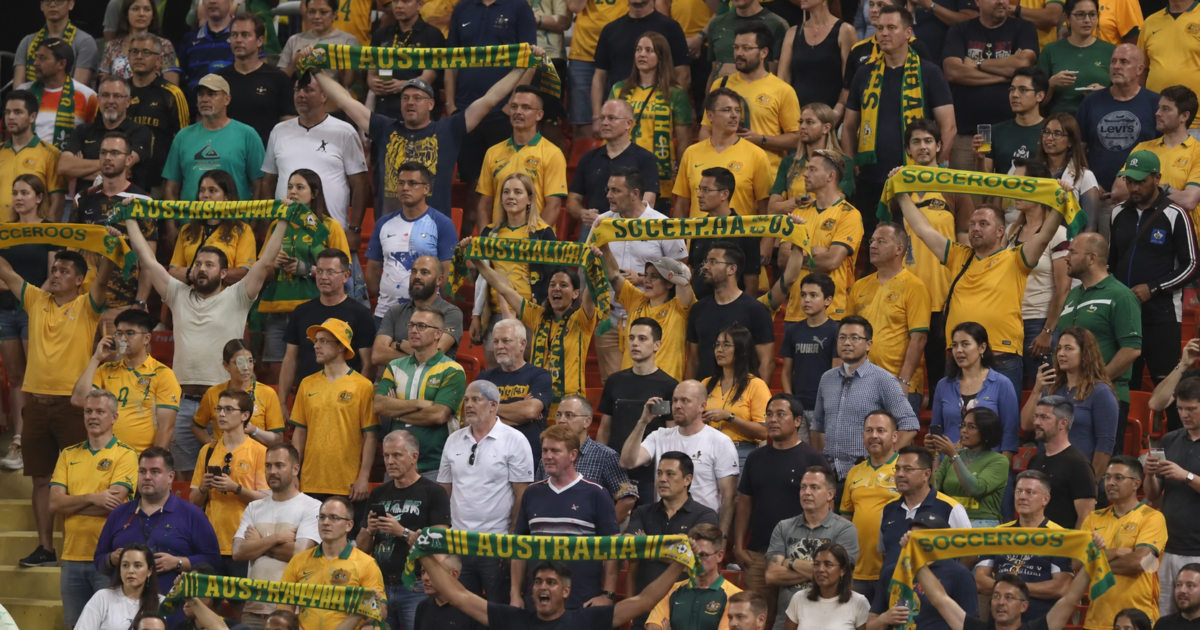
- Australia and South Korea both picked up wins that reinforced the idea that the global middle tier is stronger than often assumed.
- Qatar and Saudi Arabia also collected useful draws, pending full verification of all official match records and figures.
These are not isolated curiosities. They point to a broader trend: many so-called smaller nations now arrive at major tournaments with coherent structures, players based in strong leagues and tactical preparation that allows them to stay in games.
That changes the feel of the tournament. Instead of dead rubber energy in the opening round, fans have been given genuine contests with real uncertainty.
AFC teams have made one of the strongest early statements
If one confederation has particularly benefited from the first week’s narrative, it is the Asian Football Confederation. AFC teams have made a strong early impression, both in results and in overall competitiveness.
Australia and South Korea secured wins. Japan earned a highly credible draw with the Netherlands. Qatar and Saudi Arabia produced performances that suggested they belong in this field rather than simply filling expanded places.
This matters because one of the most common criticisms of a 48-team World Cup was that additional slots would mainly expose weaker regions. Instead, the first week has hinted that Asia’s leading and second-tier sides are increasingly capable of troubling established nations.
For readers looking ahead to World Cup group betting or matchday 2 betting picks, AFC teams may now attract much more respect in the markets. The lesson from the opening round is not that every Asian team will keep outperforming expectations, but that dismissing them on reputation alone would be a mistake.
Host nations are helping build momentum across the tournament
Major international tournaments are always stronger when the host nations contribute to the atmosphere, and the first week has delivered encouraging signs on that front too.
Mexico opened with a win, Canada claimed its first point, and the United States produced a strong victory over Paraguay. Those are exactly the kinds of early results that can energize cities, increase local engagement and keep the wider media conversation growing.


A successful host presence helps in several ways:
- It boosts stadium energy and national interest.
- It creates stronger television narratives for casual viewers.
- It increases attention on later group-stage matches.
- It gives the tournament a more connected feeling across all three host countries.
Because this World Cup is spread across the United States, Canada and Mexico, that shared momentum matters even more than usual. Positive early host results can help make a massive tournament feel unified rather than scattered.
Attendance fears have eased, even if pricing questions remain
Another pre-tournament concern centered on ticketing. High prices, dynamic pricing models and visible patches of unsold inventory had raised doubts about whether some games would suffer from poor optics or flat atmospheres.
So far, those fears also appear to have softened, at least to an extent. While all official attendance claims should still be checked carefully against final reported figures, the early sense from the first week is that crowds and stadium atmosphere have generally been stronger than expected.
That does not mean the pricing debate has gone away. It remains a legitimate issue, especially for local fans and traveling supporters trying to access a tournament of this scale. But from a viewing perspective, the opening round has mostly looked and sounded like a major World Cup should.
That matters commercially as well. Strong crowds improve the television product, increase sponsor value and help maintain excitement around future matchdays, which in turn affects everything from media coverage to betting volume.
The stars have delivered, but the tournament has also created room for new names
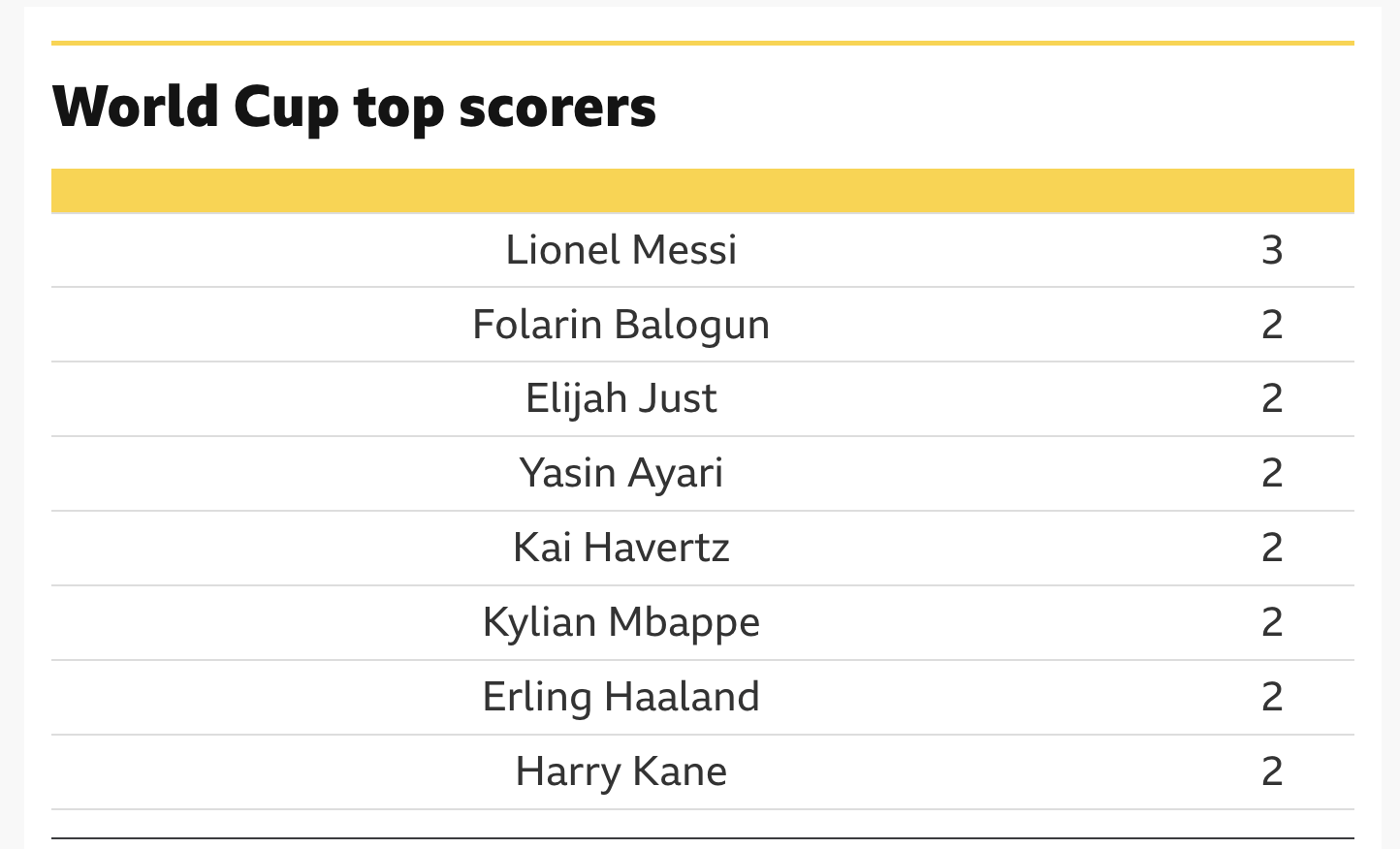
One reason the first week has felt so watchable is that the biggest names have already influenced the tournament. Lionel Messi, Erling Haaland, Kylian Mbappé, Harry Kane and Kai Havertz have all made early impacts, subject to verification of final goal and assist tallies.
That star power still matters enormously. Every World Cup needs headline players to carry the global conversation, and this edition has not lacked for marquee moments in its opening stretch.
At the same time, one of the healthiest signs for the tournament is that it has not been dominated exclusively by superstars. Players such as Folarin Balogun, Eliah Just and Yasin Ayari have also found space in the story of the first week, showing how an expanded field can widen the cast without necessarily reducing overall quality.
For fans, that is ideal. You still get the pull of Messi, Mbappé and Haaland, but you also get discovery — the lesser-known players and teams who become central to the tournament’s identity.
Why the first round has made the group stage more interesting
The most important consequence of these early results may be what they set up next. Because so many matches were competitive, the second round of group fixtures should carry more tension than many expected.
Instead of several groups already feeling predictable, there are now more live qualification battles and more pressure on traditional powers to improve quickly. That creates a better viewing experience and a smarter betting environment, because urgency changes how teams approach game state, substitutions and risk.
Key early patterns to watch heading into the next set of matches include:
- Whether favorites become more clinical after opening scares.
- Whether underdogs can repeat their defensive discipline under greater pressure.
- Whether AFC teams can convert strong first impressions into qualification points.
- Whether host-nation momentum continues to lift crowd intensity.
- Whether the expanded field keeps producing close matches rather than drifting toward expected hierarchy.
It is still early, so caution matters
As encouraging as the first week has been, balance is essential. Every team has played only once. Larger nations often grow into tournaments, and squads with deeper benches usually improve as rhythm, fitness and tactical clarity develop.
So while the early evidence is positive for the expanded format, it would be premature to declare every fear disproven. Some favorites may still pull away. Some underdogs may struggle to sustain their level. And some of the opening surprises may end up looking less significant once the full group tables settle.
Still, first impressions matter in tournaments, especially one this large. What World Cup 2026 has avoided so far is the worst-case scenario many predicted: a bloated competition full of obvious mismatches and low-stakes early games.
Instead, the opening week has delivered enough quality, enough noise, enough jeopardy and enough unpredictability to keep both serious analysts and casual fans engaged.
Final verdict after the first week
The first week of the 2026 World Cup has made the tournament feel more open, more competitive and more engaging than many expected. The 48-team format has not looked perfect, and it remains too early to make sweeping conclusions, but the opening round has already challenged the assumption that expansion would automatically dilute the event.
Underdogs have competed, host nations have helped build momentum, crowds have looked stronger than feared, and the stars have still found ways to shape the headlines. The next round of group matches will tell us whether these early surprises can become real knockout-stage stories — but for now, the biggest takeaway is simple: World Cup 2026 has started with far more intrigue than skepticism suggested it would.