World Cup 2026 group stage tiebreakers are changing how fans read the table. The expanded 48-team format creates more knockout places, but FIFA’s head-to-head rules also mean some teams can qualify, win their group or be eliminated earlier than many supporters expect.
That is why the 2026 group stage feels different from Qatar 2022. With 12 groups, eight third-place qualifiers and a new Round of 32, every direct result can affect more than just points and goal difference.
World Cup 2026 tiebreaker rules: what changed?
The key change is simple: if two teams finish level on points, FIFA now looks first at the result between those teams. Under the old assumption many fans still have, the first separator would have been overall group goal difference.
So if Team A beat Team B earlier in the group, and they later finish tied on points, Team A stays ahead regardless of whether Team B built a better overall goal difference against other opponents.
If the head-to-head match between the tied teams ended in a draw, then other tiebreakers can still matter. Those can include metrics such as goal difference and goals scored, depending on the exact tie scenario.
This makes the World Cup 2026 tiebreaker rules more intuitive in one sense—direct results matter most—but also more complicated in practice because fans can no longer rely on the table’s goal-difference column as the first clue to who is really ahead.
How head-to-head works in a four-team World Cup group
In a standard four-team group, each side plays three matches. That means one early head-to-head win can become decisive very quickly.
Under a goal-difference-first system, teams usually needed a bigger points cushion to secure first place before the final matchday. But under FIFA’s head-to-head-first system, a team can lock up top spot with only a three-point lead if it has already beaten the only team that can catch it.
- Old way of thinking: “They still need more goal difference insurance.”
- New reality: “If they already beat the nearest chaser, level points may already be enough.”
That is why the 2026 World Cup group stage rules could dramatically change how standings look and how final fixtures are played.
Why this matters more than fans think
Many supporters casually track points, then goal difference, then goals scored. That habit comes from years of seeing goal difference dominate group-table conversations across major tournaments and domestic leagues.
At the 2026 World Cup, that shortcut can mislead people.
A team that appears vulnerable because it is only three points clear may actually have already secured first place. On the flip side, a team just three points behind may already be unable to catch the leader because it lost the relevant head-to-head meeting.
For fans, pundits, fantasy players, and bettors, this changes how to read the final round. It can affect expectations around rotation, motivation, live odds, and whether a team still has anything meaningful left to play for.
Mexico example: how a team can win the group early
Mexico is a clear example of why the rule matters.
If Mexico win their first two matches and one of those victories comes against South Korea, then South Korea cannot finish above Mexico if both teams later end level on points. Mexico would own the head-to-head advantage.
That means Mexico can top Group A with one match still to play, even without needing a huge goal-difference edge. Under the old fan assumption that goal difference decides ties first, many would think the group remains open. Under the actual FIFA rule, it may already be effectively settled.
This is the practical impact of the head-to-head tiebreaker World Cup 2026 format: direct wins over your closest rival can do much more than just add three points.
United States example: early control in Group D
The United States provide another good case study.
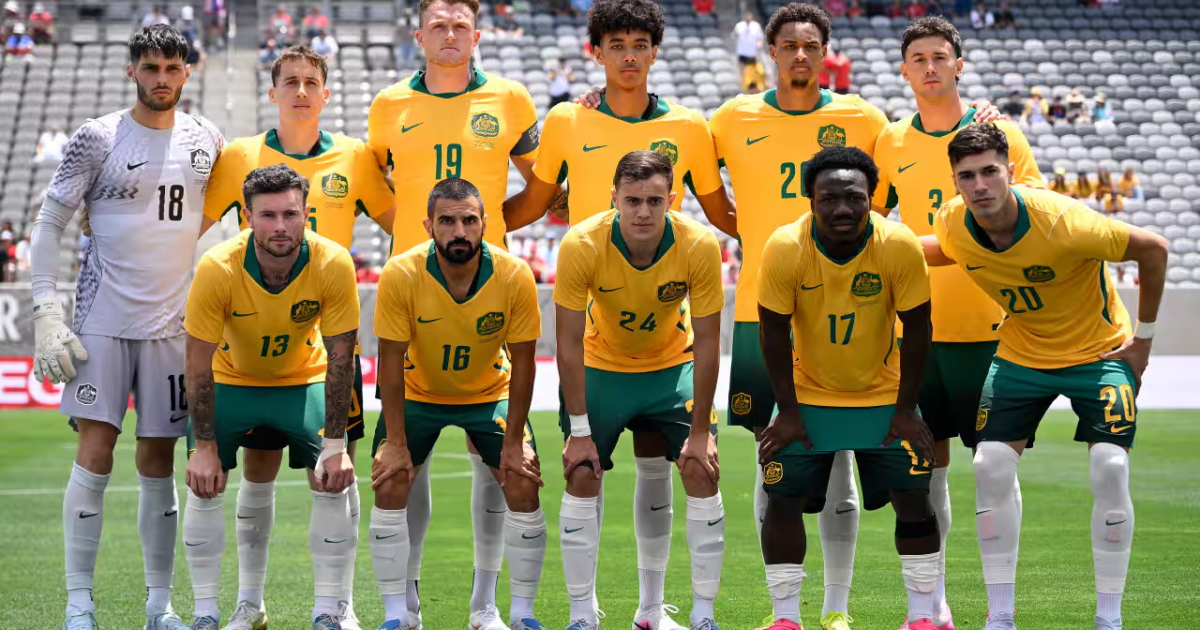
If the US have already beaten Australia and Paraguay, then they hold head-to-head superiority over both of those teams. Based on that setup, the Americans can secure top spot in Group D earlier than many readers might expect just by combining points with those direct wins.
Again, the big takeaway is not just that the US are winning matches. It is that who they beat matters more than it used to in table-reading terms.


For fans checking qualification scenarios, that can make the standings feel unusual. A team may still look catchable on paper, but if the nearest rivals already lost the direct matchup, their path to first place may be gone.
How the final group match can change under the new rule
Once a team has already clinched first place through head-to-head advantage, the last group game can become very different.
Possible effects on the final matchday
- The qualified team may rest key players.
- Managers may prioritize avoiding injuries or suspensions.
- The already-qualified side may play at a slower tempo.
- Opponents still chasing qualification may face a very different tactical setup.
That matters not only for fans watching the group unfold, but also for anyone tracking betting markets, match props, or qualification odds. Team news and motivation can become even more important once a group winner is effectively locked in before kickoff.
It can also make some final-round games less meaningful at the top of the group, even while lower places remain highly competitive.
Elimination impact: teams can go out earlier than expected
The same logic works in reverse.
Teams such as Haiti and Türkiye can be eliminated despite being only three points behind because they already lost the relevant head-to-head matches. If the team above them owns that direct advantage, simply catching them on points is not enough.
That is one of the biggest consequences of the FIFA World Cup 2026 tiebreaker rules. A team may seem alive if you look only at points, but the direct result may have already closed the door.
For casual readers, this is where confusion usually starts. A side is still mathematically levelable, but not actually capable of finishing above the rival it needs to pass. That distinction is crucial in the final week of group play.
Head-to-head vs goal difference: which system is fairer?
The debate is easy to understand because both sides have a reasonable argument.
Why some fans prefer head-to-head
- It rewards what happened directly between the tied teams.
- It reduces the value of running up the score against weaker opponents.
- It feels more like a true comparison when two sides are level on points.
Why others still prefer goal difference
- It reflects performance across the whole group.
- It rewards consistency over all three matches.
- It can keep more final-day scenarios alive.
Supporters of head-to-head say it is fairer because if two teams are tied on points, the one that won the direct meeting proved itself where it mattered most. Critics argue that one match should not outweigh everything else a team did in the group.
There is no perfect answer, but there is no doubt the rule changes how the group stage feels. It puts extra pressure on direct clashes and can reduce the importance of racking up a big scoreline elsewhere.
A short history of FIFA tiebreakers
Historically, FIFA has not always handled group ties the same way.
- Until 1966: goal ratio was used.
- From 1970: goal difference became the standard reference point for many fans.
- Now: FIFA is using a system more closely aligned with UEFA-style head-to-head thinking.
That historical shift helps explain why so many supporters still instinctively look to goal difference first. Football fans have been conditioned to read tables that way for decades.
Club World Cup context: this was not introduced out of nowhere
If the rule feels new in the World Cup context, it is worth noting that FIFA had already used this approach at the Club World Cup before extending it here.
So this is not a last-minute experiment. It is part of a broader move toward giving more weight to direct meetings when teams finish level on points.
For readers following multiple competitions, that alignment also makes it easier to compare FIFA and UEFA tournament logic, even if it still catches some World Cup viewers by surprise.
What fans should watch for on the last two matchdays
When checking a World Cup group table, do not stop at points and goal difference. Instead, ask these questions:
- Which teams have already played each other?
- Who won the direct matchup between the teams level on points?
- If a team is three points ahead, did it already beat the side chasing it?
- Could a team be level on points but still unable to move above a rival?
Those answers will often tell you more than the raw goal-difference column.
For betting-minded readers, this is especially important before backing final-round outcomes. A team that has already secured first may rotate heavily, while a team that looks “still alive” on points may actually be functionally eliminated by head-to-head results.
Bottom line on the World Cup 2026 head-to-head tiebreaker
The new World Cup 2026 tiebreaker rules make the group stage more tactical, less intuitive, and potentially more dramatic in direct matchups. Head-to-head now comes before overall goal difference, which means one result against a direct rival can decide first place, trigger early elimination, or change the meaning of the final game in a group.
Mexico and the United States show how teams can secure top spot earlier than expected, while teams like Haiti and Türkiye show how sides can be knocked out even when the points gap still looks manageable. In short, every direct result now carries more weight than many fans realize—and in some groups, more weight than goal difference itself.