Socceroos World Cup 2026 Guide: Australia Fixtures, Group Path and Tournament Favourites
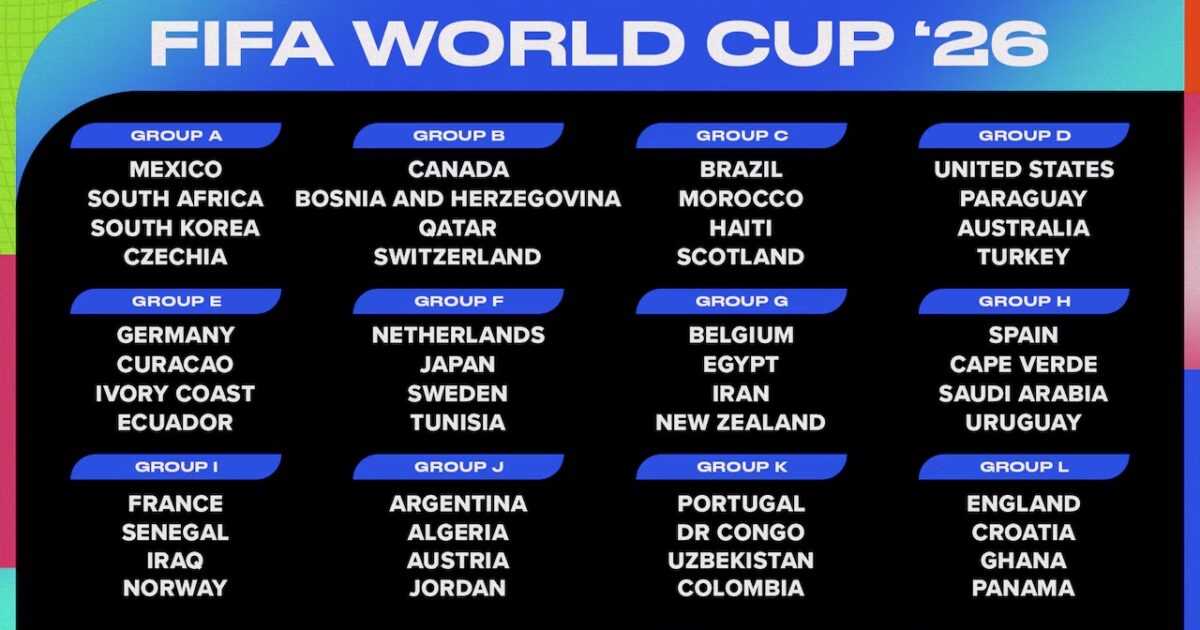
The 2026 FIFA World Cup will be the biggest edition of the tournament so far, with 48 teams competing across Mexico, the United States and Canada. For Australian fans, the key starting point is simple: the Socceroos are in Group D alongside the United States, Türkiye and Paraguay.
This guide is built to help readers quickly understand Australia’s World Cup 2026 campaign without jumping between multiple sources. Below, you’ll find the Socceroos’ group fixtures, venues, Australian kick-off times, likely knockout scenarios, a quick look at the squad situation, and the main tournament favourites.

When the 2026 World Cup Starts
The tournament opens in Mexico, with the opening ceremony and first match taking place at the iconic Estadio Azteca in Mexico City. Hosts Mexico will face South Africa in the opening game, setting the tone for a month-long tournament spread across North America.
While that opener matters in the wider World Cup story, most Australian eyes will quickly turn to Group D and the Socceroos’ path through the expanded format.
Australia Group D Opponents at World Cup 2026
Australia have been drawn into a competitive but navigable group. Group D contains:
- Australia
- United States
- Türkiye
- Paraguay
From an Australia-focused perspective, this is the kind of group that gives the Socceroos a realistic target. The United States may start as the highest-profile side in the group, especially with home support, while Türkiye and Paraguay bring experience, physicality and enough quality to punish mistakes. That said, the expanded 48-team World Cup format gives more room for teams like Australia to stay alive deep into the group stage.
Socceroos Fixtures: Australia World Cup 2026 Match Dates, Venues and Australian Times
All times below use AEST as the main reference point for Australian readers. Where scheduling updates or official FIFA confirmations provide broader local conversion details, fans should also check ACST and AWST closer to kick-off because host-city time zones and daylight settings can affect exact Australian viewing times.
Australia vs Türkiye
- Date: 13 June 2026
- Venue: GEODIS Park, Nashville
- Time: Check official FIFA release for confirmed AEST, ACST and AWST conversion before kick-off
This is a huge opening match for the Socceroos. A positive result against Türkiye would immediately put Australia in a strong position, especially before the group reaches its most difficult-looking fixture against the United States.
Australia vs Paraguay
- Date: 18 June 2026
- Venue: Arrowhead Stadium, Kansas City
- Time: Check official FIFA release for confirmed AEST, ACST and AWST conversion before kick-off
Paraguay could be the swing opponent in this group. If Australia take points from their opener, this second game may become a genuine chance to put one foot in the knockout rounds.
Australia vs United States
- Date: 21 June 2026
- Venue: SoFi Stadium, Los Angeles
- Time: Check official FIFA release for confirmed AEST, ACST and AWST conversion before kick-off
The final group-stage game could decide top spot, second place, or whether Australia need to rely on the best third-placed ranking. Facing the United States in Los Angeles means the Socceroos will likely be dealing with a strong host-nation atmosphere as well as the pressure of the standings.
Australia’s Possible Knockout Path Explained Simply
The expanded tournament format means the top two teams in each group qualify automatically for the knockout stage, while the best third-placed teams across the tournament can also go through. That gives the Socceroos more than one pathway into the last 32.
If Australia Finish First in Group D
If the Socceroos win Group D, they would move into the knockout stage with a theoretically kinder draw than the runners-up route. Finishing first usually avoids an immediate meeting with another group winner and gives Australia the cleanest path available.
Even then, knockout football quickly becomes difficult. Australia would still likely face a higher-ranked nation before too long, but topping the group would be the ideal scenario and would probably be viewed as one of the best World Cup group performances in the team’s history.
If Australia Finish Second in Group D
Second place also guarantees progression. In simple terms, Australia would still reach the knockout rounds, but the bracket is often less forgiving and can create a tougher last-32 matchup depending on results in nearby groups.


For most fans, this is probably the realistic target: stay competitive in all three matches, take enough points, and secure a top-two finish without needing to depend on goal difference comparisons elsewhere.
If Australia Finish Third in Group D
This is where the new format helps. Third place does not automatically mean elimination. Instead, Australia would be ranked against the third-placed teams from other groups, and if the Socceroos are among the best performers in that category, they would still qualify.
That makes every goal, every point and even narrow defeats important. Casual fans should think of it this way: if Australia finish third, the team may still progress, but they would need a respectable points total and usually a decent goal difference.
If Australia Finish Fourth
Fourth place means elimination from the tournament at the end of the group stage.
Socceroos World Cup History: Where Australia Stand
Australia head into World Cup 2026 as outsiders rather than one of the tournament favourites, which is familiar territory for the Socceroos. Historically, Australia have reached the knockout stage only twice and have never gone beyond the first knockout round.
That context matters, but it does not make this campaign unrealistic. The expanded format creates more routes into the knockout rounds, and that gives disciplined, well-organised teams like Australia a genuine opportunity to compete for progression.
For supporters, the expectation should be balanced: the Socceroos are not among the elite teams in this competition, but they are good enough to make Group D competitive and put pressure on the sides around them.
Socceroos Squad Update
If the final 26-player Australia squad has been officially announced, it should be included here before publication. Because final World Cup lists can change close to the tournament due to injuries, late fitness calls or tactical adjustments, this section should always be checked against the latest official team announcement before going live.
From a fan perspective, the key things to watch are Australia’s core spine, the balance between experienced internationals and younger attacking players, and whether the squad is built to handle three demanding group matches in a short window.
World Cup 2026 Favourites: The Bigger Tournament Picture
Beyond Australia’s group, several countries will enter the tournament as major contenders. Spain, France, England, Argentina and Brazil are widely expected to be among the strongest teams in the field.
Spain and France bring elite squad depth and technical quality. England continue to have one of the deepest player pools in world football. Argentina remain a major threat because of their tournament mentality, while Brazil are almost always part of the title conversation regardless of form cycles.
For Australian fans, this broader context matters because it shows how hard the tournament becomes after the group stage. Even if the Socceroos progress, the level rises quickly.
What Group D Means for Australia Fans
The good news for Socceroos supporters is that Group D gives Australia a clear and easy-to-follow set of matches: Türkiye first, Paraguay second, and the United States last. That sequence should make it easier to track what the team needs after each round.
It also helps that the 2026 World Cup format offers more teams a path into the knockouts. Australia may still be outsiders overall, but this is not a group where progression is out of reach.
Final Word
Australia’s World Cup 2026 campaign is straightforward to follow on paper: three group-stage matches against the United States, Türkiye and Paraguay, with multiple possible routes into the knockout rounds under the expanded 48-team format.
For Socceroos fans, that makes this tournament especially watchable. The group is challenging without being overwhelming, the schedule is clear, and every point could matter. Keep an eye on official FIFA updates for final Australian time-zone confirmations and the last squad announcement, but the overall picture is already set: Australia have a real opportunity to make Group D interesting.