
World Cup 2026 travel costs Australia supporters need to prepare for could be far higher than many expected. Match tickets can rise sharply under FIFA’s dynamic pricing model, long-haul flights from Australia to North America are costly, hotel demand is building around host cities, and fans may need to move between the United States, Canada and Mexico just to follow the Socceroos. For many, this is still a dream trip — but it is also shaping up as one of the most expensive World Cups to attend.
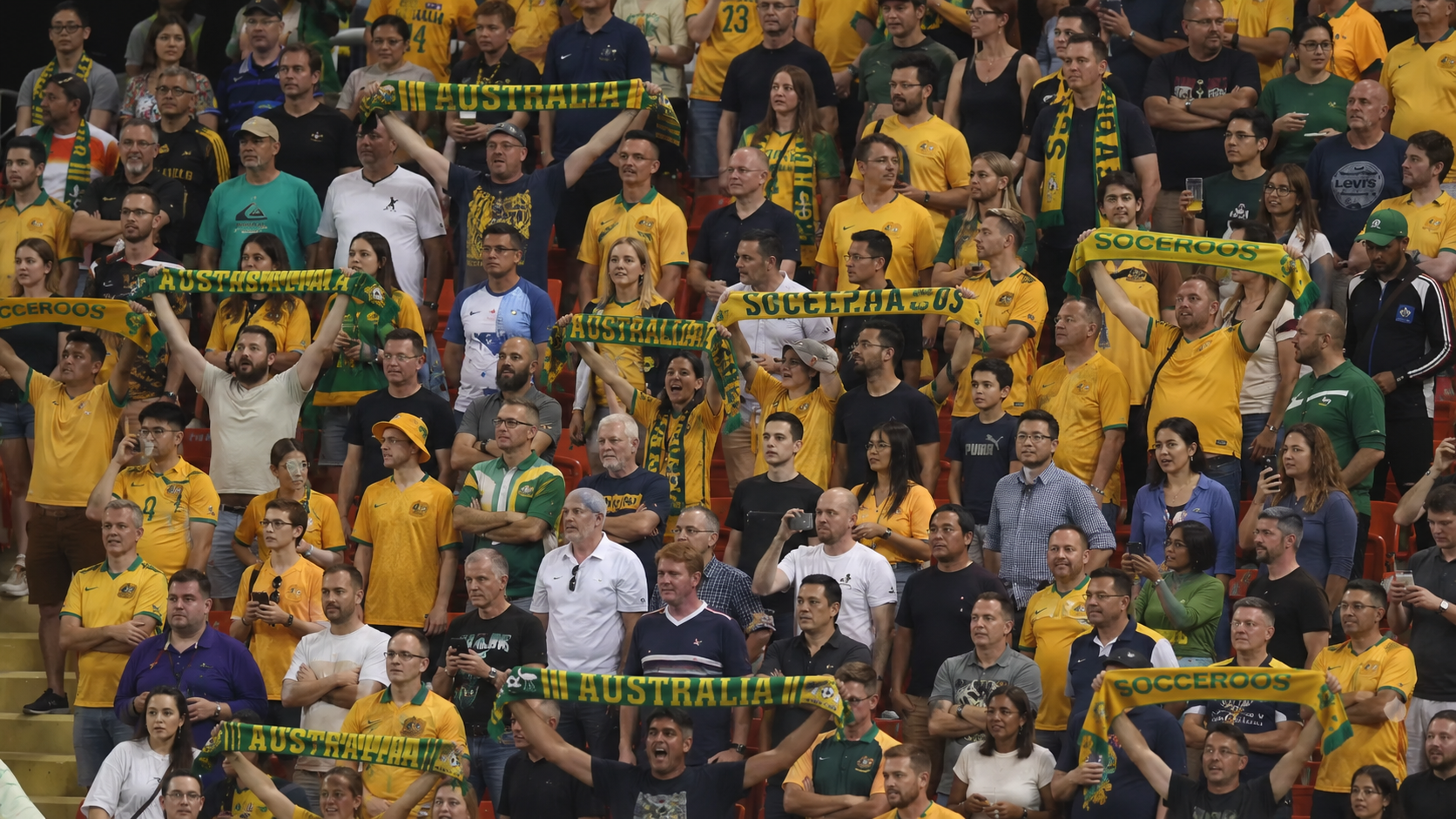
Why World Cup 2026 travel costs are so high for Australians
The biggest reason the World Cup 2026 travel costs are climbing is simple: distance and scale. Australian supporters are not just flying to one country for a compact tournament. They are travelling across North America for a 48-team World Cup spread across the United States, Canada and Mexico.
That creates extra layers of cost:
- Long-haul international flights from Australia to North America
- Internal flights between host cities
- Cross-border travel planning if fans follow matches in different countries
- Higher accommodation prices near major venues
- Transport costs including domestic airfares, trains, rideshares and airport transfers
For Australian fans, even the “base cost” of getting there is high before a single match ticket is purchased. Once supporters decide to attend multiple games, the total can quickly move into the several-thousand-dollar range.
Why the 2026 FIFA World Cup may be more expensive than previous tournaments
Past World Cups often allowed fans to base themselves in one country and, in some cases, in a relatively tight group of cities. The 2026 edition is different. It is the first men’s World Cup hosted by three nations, and the geographic spread is enormous.
That means a Socceroos supporter could easily face an itinerary that looks more like a full transcontinental holiday than a sports trip. If Australia’s group matches are spread widely — especially across different parts of the US or into Canada or Mexico — costs increase at every stage.
Fans also need to budget for:
- Extra checked baggage on multiple flights
- Currency fluctuations between AUD, USD, CAD and MXN
- Travel insurance for a longer, more complex trip
- Higher food and daily spending in major North American cities
In other words, this is not just about ticket prices. The structure of the tournament itself makes following a team more expensive.
FIFA dynamic pricing is changing what fans pay for tickets
One of the biggest talking points around 2026 World Cup ticket prices is FIFA’s dynamic pricing model. Under dynamic pricing, ticket costs can change based on demand, availability and the commercial appeal of a specific match.
For fans, that means there is no guarantee that a group-stage game will remain at a predictable price. A high-demand fixture can become much more expensive than another match in the same phase of the tournament.
This model tends to affect:
- Matches involving host nations
- Games featuring major football powers
- High-profile knockout fixtures
- Late availability seats as demand intensifies
For Australian supporters, the concern is obvious. If the Socceroos draw a host nation or a marquee opponent, tickets may become harder to secure at lower prices through official channels.
Why Australia vs USA could be one of the pricier group-stage tickets
The Australia vs USA match is a clear example of how demand can lift prices. Because the United States is a host nation, any match involving the US is likely to attract stronger local demand, international interest and resale competition.
That can make an Australia vs USA group game more expensive than a lower-profile group fixture. Even fans who successfully enter a ballot may find later sale phases or resale listings priced much higher than expected.
For Socceroos supporters, this is where the emotional and financial sides collide. A World Cup match against a host country is exactly the kind of occasion many fans dream about — but it may also be the moment that pushes a travel budget beyond plan.
How costs build up when fans follow all three Socceroos group matches
It is one thing to attend a single World Cup game. It is another to follow the Socceroos throughout the group stage and possibly beyond. That is where the real cost of the tournament becomes clear.
Supporters such as Dany Girgis represent the type of committed fan planning an extended World Cup trip: attending all three Socceroos group matches and holding conditional tickets for potential knockout games. It is an unforgettable idea, but financially it can escalate fast.
A typical multi-match budget may include:


- Return flights from Australia
- Three or more match tickets
- Conditional knockout tickets
- Hotels or short-stay accommodation in multiple cities
- Domestic flights or long-distance transport between venues
- Food, local transport and travel insurance
When fans stretch their trip across two or three weeks, the total spend can rise sharply. For many Australians, that means the 2026 FIFA World Cup is not just a ticket purchase — it is a major international travel commitment.
Official resale tickets may help, but they can still be expensive
Fans who miss out during the ballot are not necessarily out of options. FIFA’s official resale platform is expected to be a key route for supporters looking for legitimate tickets closer to match dates.
That matters because many fans will inevitably miss their preferred matches in initial allocations. The resale platform provides a safer alternative to unofficial third-party sellers, where authenticity risks are much higher.
Still, there is an important catch: resale prices can be significantly higher, particularly for:
- Matches featuring host nations
- Popular knockout fixtures
- Games in major tourist cities
- Late-demand tickets near kick-off
Australian fans should therefore treat official resale as a backup option, not a guarantee of value. It is safer, but not always cheaper.
Avoid unofficial secondary ticket sites
With demand this high, unofficial resale websites will inevitably attract desperate buyers. That is risky. Tickets may be invalid, overpriced or subject to strict transfer rules.
The sensible approach is to stick to official FIFA channels and plan a budget that allows for some price movement. That is especially important for supporters travelling from Australia, where the cost of a failed ticket purchase could be magnified by already-booked flights and hotels.
The hidden travel expenses many Socceroos fans underestimate
When Australians first calculate a World Cup 2026 travel budget, they often focus on flights and match tickets. In reality, the smaller expenses can add up just as quickly.
Some of the most overlooked costs include:
- Airport transfers in expensive North American cities
- Rideshare surges around stadium precincts
- Hotel taxes and resort fees
- SIM cards or roaming charges
- Meals and drinks near tourist-heavy venues
- Visa or entry-related admin costs, depending on routing
Accommodation is another major pressure point. Hotels near stadiums or city centres can rise sharply around major match dates, especially if host nation fixtures are taking place nearby. Fans who leave bookings too late may end up paying premium rates or staying far from venues, increasing local transport costs as well.
How much might Australian fans spend in total?
Exact totals will vary based on the draw, city pairings, ticket category and how long fans stay. But realistically, many Australians attending multiple Socceroos games could spend thousands of dollars overall.
A rough full-trip budget could include:
- International flights: a major upfront cost from Australia to North America
- Match tickets: variable under FIFA dynamic pricing
- Accommodation: one of the biggest expenses across multiple cities
- Internal travel: often unavoidable in such a spread-out tournament
- Daily spending: food, drinks, local transport and incidentals
For fans attending all three group matches plus possible knockouts, the trip can easily become comparable to a premium long-haul holiday — except with tighter timelines, more logistics and less flexibility on dates.
Why many fans still believe the World Cup is worth the money
Despite the rising cost, plenty of Socceroos supporters still see the 2026 tournament as worth every dollar. The emotional logic is powerful: World Cups do not come around often, Australia is on the global stage, and the chance to share that experience with fellow fans is difficult to replicate.
For many supporters, the value goes beyond football. The trip is about:
- The atmosphere inside and outside stadiums
- National pride in following the Socceroos abroad
- Travel memories across North America
- Meeting other Australian fans
- The possibility of witnessing a historic run
That does not make the tournament cheap. But it helps explain why so many fans are still preparing to go, even when the numbers are confronting.
Smart planning tips for Australian fans heading to World Cup 2026
If you are considering the trip, careful planning will matter as much as passion. A few practical steps can make the experience more manageable:
- Register early for official FIFA ticket updates and ballot information
- Prioritise must-see matches rather than assuming you can attend everything
- Budget for price increases, especially for host-nation fixtures like Australia vs USA
- Use official resale channels only if you miss out initially
- Book accommodation strategically once match locations are confirmed
- Leave room for internal travel costs between cities or countries
The earlier fans build a realistic budget, the less likely they are to be blindsided by the real cost of following the Socceroos.
Final word on World Cup 2026 travel costs for Australian fans
The 2026 FIFA World Cup could be the dream trip of a lifetime for Socceroos supporters, but it is also becoming one of the most expensive tournaments to attend. Between dynamic ticket pricing, long-haul flights from Australia, accommodation demand, transport across North America and possible resale premiums, the total cost can quickly run into thousands.
For fans determined to be there, the key will be realistic budgeting, early planning and sticking to official ticket channels. The experience may still be unforgettable — but no Australian supporter should expect it to come cheap.