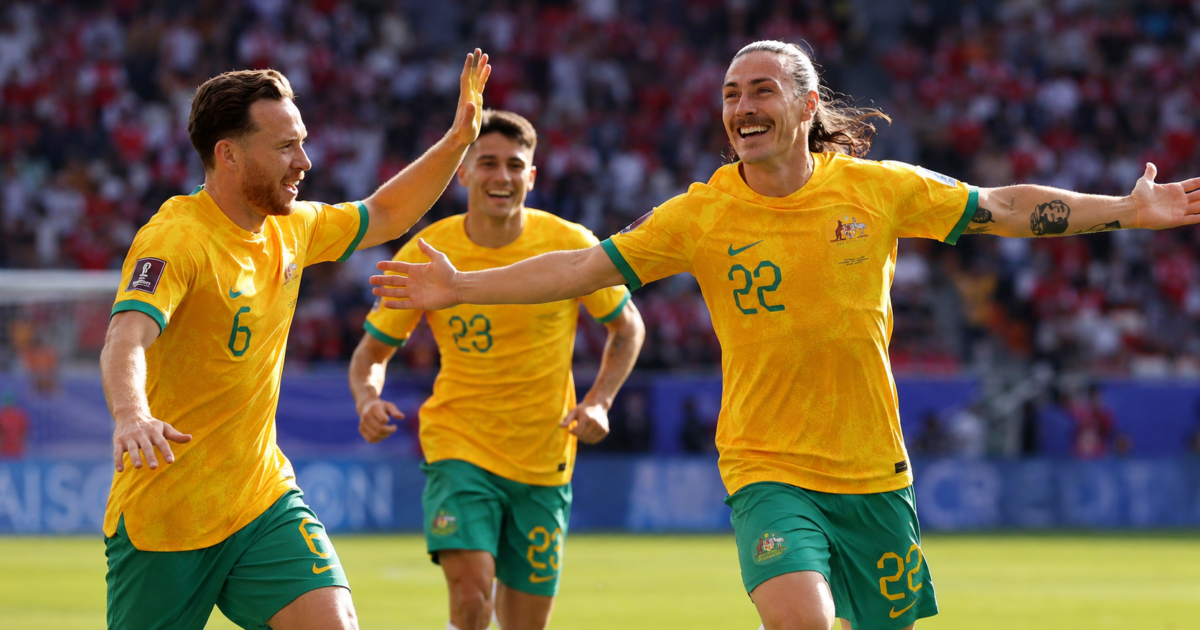
Socceroos World Cup 2026 squad discussion is already building, with Australia heading to a sixth straight men’s FIFA World Cup and Tony Popovic naming a 26-player group for matches against Türkiye, the United States and Paraguay. This is also a very different tournament from the ones Australian fans have known before: the 2026 World Cup expands to 48 teams and is being hosted across the United States, Canada and Mexico.
That wider format gives this campaign a fresh feel, but so does the squad itself. The Socceroos remain a regular World Cup nation, yet this group looks different from the famed 2006 golden generation and different again from the hard-running 2022 Qatar side. There is still experience at the core, but this Australia squad is also clearly part of a transition into a new era.
Australia have also drawn a host nation in the group stage for the first time since 1974, adding another layer of intrigue to Group D. The opening match against Türkiye is scheduled for Sunday at 2pm AEST, before the Socceroos take on the United States and Paraguay in what looks like a competitive, balanced group.
Socceroos World Cup 2026 squad overview
Tony Popovic’s 26-player selection reflects a clear attempt to balance continuity with renewal. Australia have not abandoned the players who understand World Cup football, but there is also an obvious push toward the next cycle of Socceroos contributors.
In simple terms, the squad has been built around four ideas:
- Experience from players who have already handled tournament football
- Defensive structure, a feature often associated with Popovic teams
- Energy and flexibility in wide and midfield areas
- New attacking options without relying too heavily on one generation
That does not automatically tell us the starting XI, and it is best not to assume too much before team news is confirmed. But the shape of the squad suggests Popovic wants reliability first, then enough variation to adapt across three very different group-stage opponents.
The experienced names leading Australia at World Cup 2026
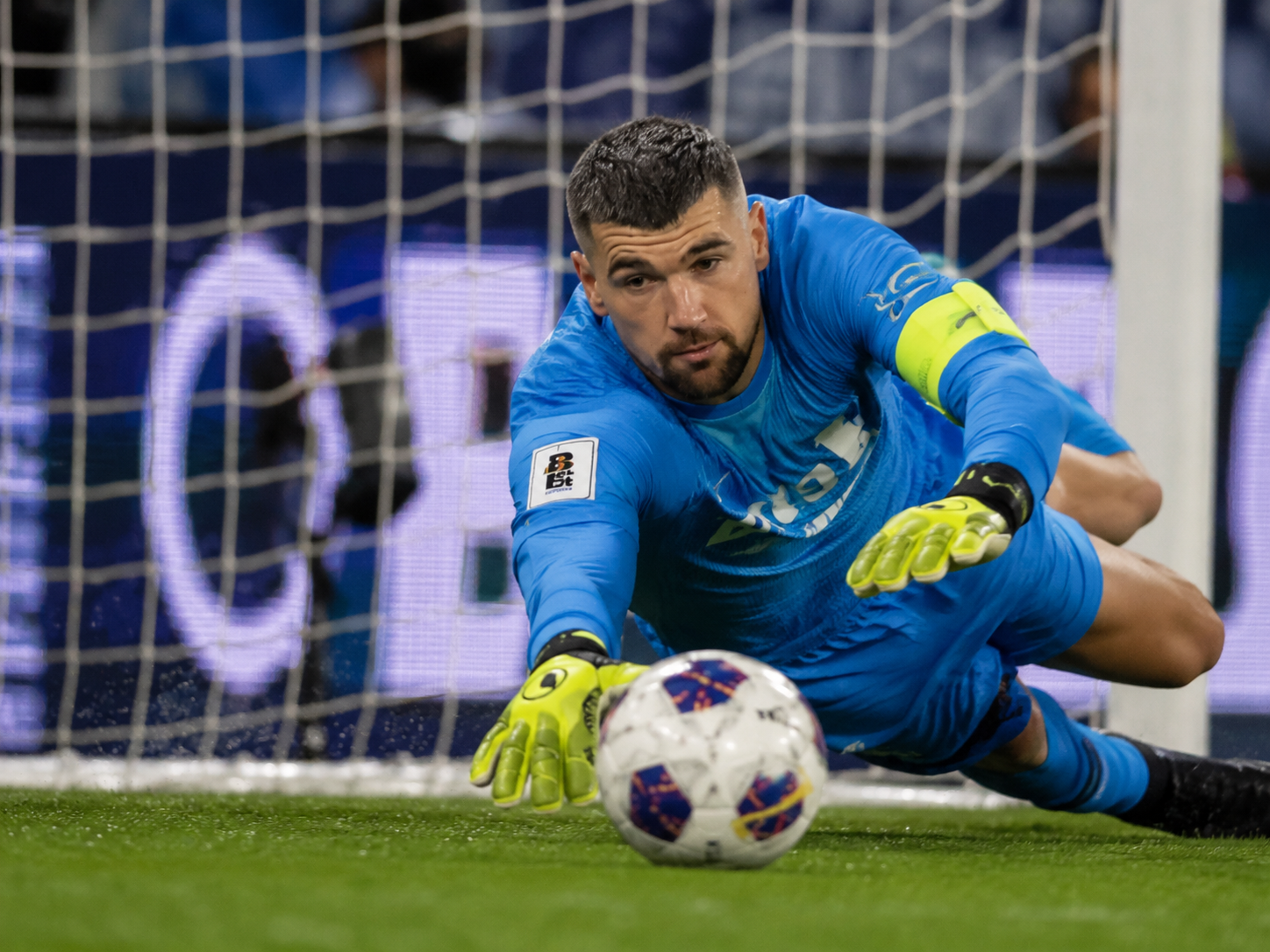
The headline from a leadership point of view is the presence of Mat Ryan and Mathew Leckie, who are both heading to a record-equalling fourth World Cup. That puts them alongside Tim Cahill and Mark Milligan as the only Australian men to reach that mark.
That matters for more than trivia. In a tournament as large and demanding as the 2026 World Cup, experienced players can steady a squad between matches, help younger teammates manage the occasion and maintain standards during pressure moments.
Why Mat Ryan still matters
Ryan’s value goes beyond shot-stopping. He has been the face of Australia’s tournament resilience for years, and a goalkeeper with multiple World Cups behind him brings calm to the entire defensive unit. In a group featuring different tactical tests, that communication and authority can be as important as any save.
Why Mathew Leckie remains important
Leckie has long been one of the most trusted tournament players in Australian football. His experience in big matches, understanding of defensive work on the flank and ability to carry the ball up the pitch give the Socceroos a reliable senior option even as the squad evolves around him.
For fans assessing Australia’s chances in Group D, these veteran names are central. They connect the current team to past campaigns while helping a newer group deal with the speed and intensity of World Cup football.
New faces and the next generation in the Socceroos squad
This is where the 2026 squad feels most different. Australia are not arriving with a settled golden generation at its peak. Instead, they are bringing a mix of established internationals and players still shaping their long-term place in the national team picture.
Lucas Herrington’s rapid rise
Lucas Herrington, just 18, is one of the standout stories in the squad. His inclusion reflects a rapid rise and underlines the willingness of the coaching staff to involve younger talent on the biggest stage. That said, it is important to keep expectations grounded. Being selected for a World Cup squad is a major step, but tournament football can be unpredictable, and selection alone should not be treated as proof of immediate star status.
Cristian Volpato’s notable inclusion
Cristian Volpato is another key talking point after switching allegiance from Italy shortly before the squad announcement. His inclusion is significant because it adds technical quality and attacking upside to the player pool, while also symbolising the increasingly global pathways through which Australian football now develops talent.


Again, the sensible view is the right one: Volpato is a notable addition, not a guaranteed difference-maker from day one. But in a squad that needs fresh ideas and new match-winners, his presence is easy to understand.
How Tony Popovic has built this Australia World Cup squad
Popovic’s squad selection looks practical rather than sentimental. The overall feel is that of a coach trying to make Australia hard to break down, competitive in every match and capable of changing tempo when opportunities appear.
Key themes in the squad build include:
- A trusted spine with senior players who know international football
- Defensive depth to cope with varied opponents and tournament rotation
- Younger inclusions who bring freshness without completely reshaping the side
- Attacking variety rather than dependence on one proven scorer
That is a realistic way to approach a major tournament. Australia may not have the individual star power of some previous eras, but they do have a squad profile that suggests tactical discipline, physical commitment and room for one or two emerging players to influence the campaign.
Group D: Australia’s World Cup 2026 opponents
The Socceroos have been drawn in Group D with Türkiye, the United States and Paraguay. On paper, it is a group without an obvious superpower, but that can make it more dangerous rather than less.
- Türkiye: Australia’s opening opponent, with the match scheduled for Sunday at 2pm AEST
- United States: a host nation, meaning Australia face a host in the group stage for the first time since 1974
- Paraguay: traditionally difficult, organised and physically competitive
For supporters and punters alike, this is the kind of group where small details matter. Team discipline, set pieces, game management and squad depth could have a bigger influence than headline talent alone. If you are comparing match odds or looking at outright qualification markets, Australia are likely to be judged on structure and resilience more than flair.
How this Socceroos squad compares with past World Cup teams
Not the 2006 golden generation
The most obvious comparison point is 2006, but this squad is not built in the same image. That team was defined by a cluster of elite senior figures, many playing at strong levels in Europe, and carried a sense of historic breakthrough. The 2026 group does not arrive with that same profile or aura.
Not quite the 2022 Qatar side either
There are also differences from the 2022 squad, which gained respect through cohesion, work rate and a clear identity. The 2026 version still values those traits, but it feels more transitional. Some leaders remain, yet the squad composition shows Australia preparing for what comes next as much as responding to the present.
Still part of a strong modern trend
What has not changed is Australia’s status as a regular World Cup participant. Reaching six consecutive men’s tournaments is a serious achievement and evidence of long-term consistency, even as the style, player pool and expectations shift from cycle to cycle.
That continuity matters. It means younger players are entering an environment where qualification is no longer treated as a rare national event, but as the standard the program is expected to meet.
What to expect from the Socceroos in 2026
Expectation around Australia should be measured but not dismissive. This may not be the most celebrated Socceroos squad on paper, yet it has enough experience to stay composed and enough fresh talent to make the campaign interesting.
The biggest questions are straightforward:
- Can the experienced players anchor the team deep into the group stage?
- Can the newer faces contribute without being overburdened?
- Can Popovic’s structure deliver enough at both ends of the pitch?
The answers will shape whether this squad becomes remembered as a bridge team or as the start of something more significant.
Final word on the Socceroos World Cup 2026 squad
The Socceroos’ 2026 World Cup squad represents both continuity and change. Senior leaders such as Mat Ryan and Mathew Leckie bring tournament know-how and a record-equalling milestone, while younger names like Lucas Herrington and Cristian Volpato give the squad a distinct sense of renewal.
It is not the 2006 golden generation, and it is not a copy of the 2022 Qatar team. But it does continue Australia’s place as a familiar World Cup nation. In the biggest edition of the tournament yet, Tony Popovic’s 26-player squad carries the weight of expectation, the reassurance of experience and the energy of a new era.