World Cup 2026 Dark Horses: Why the Knockout Picture Already Looks Wider Than Expected
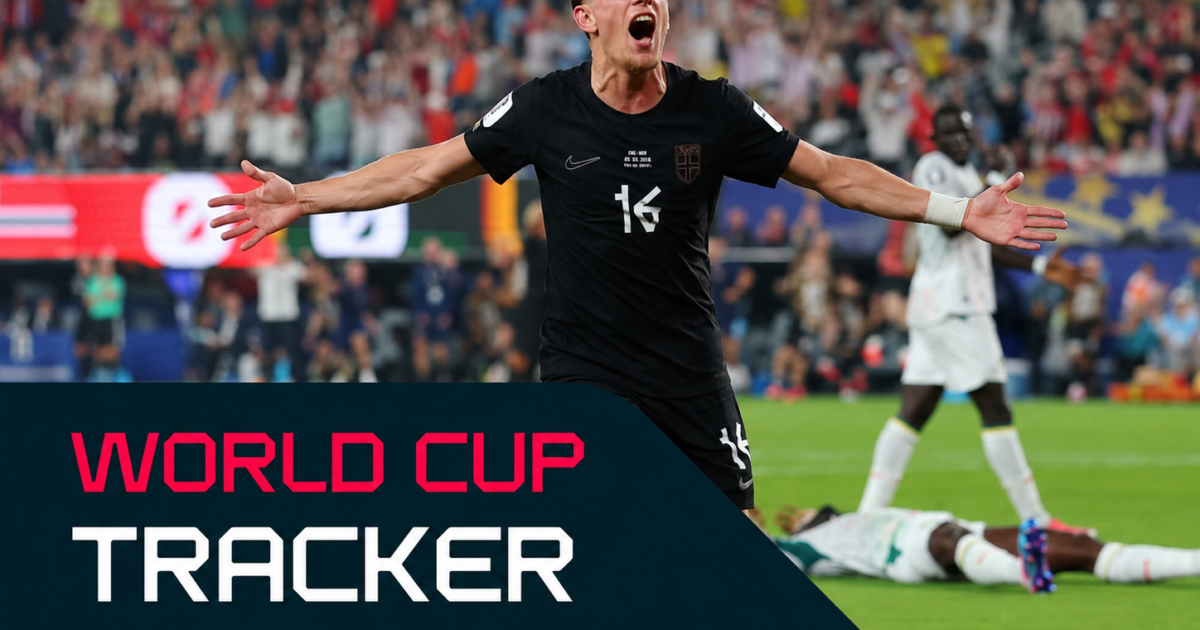
After the early group-stage matches, several teams are beginning to stand out as genuine World Cup 2026 dark horses. Germany, the Netherlands, Morocco, Canada, Japan and Colombia are all drawing attention as sides that may not sit in the top line of favourites, but have shown enough quality and momentum to threaten the knockout bracket.
That matters even more in a tournament this size. With the expanded 48-team format creating a larger knockout field, the path is wider for well-organised, in-form teams to turn a strong start into a real run.
What Does “Dark Horse” Mean at the 2026 World Cup?
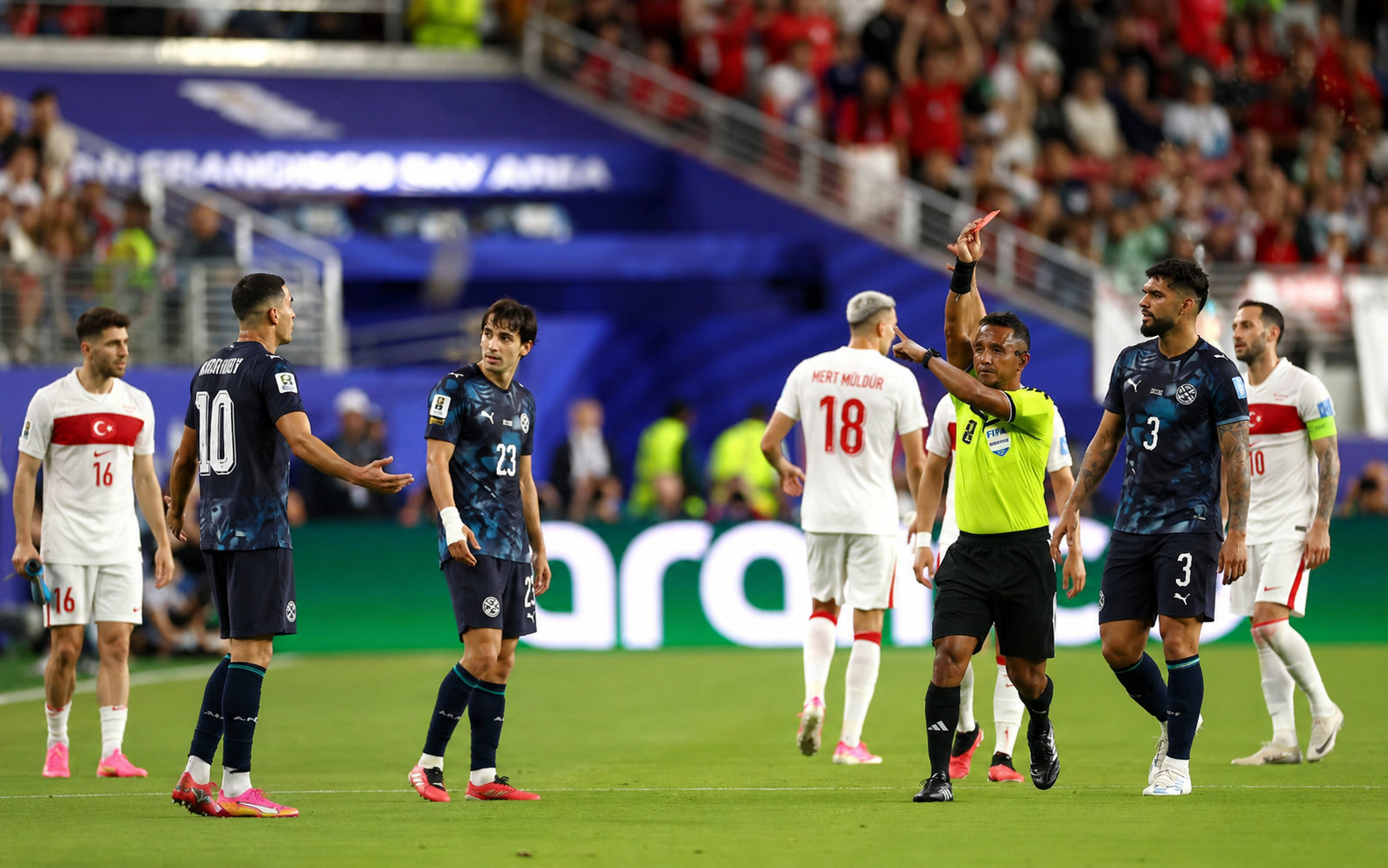
In this context, a dark horse is not a random outsider with no realistic chance. It is a team outside the obvious favourite group—usually Argentina, France, Spain, England and Brazil—but one with enough form, tactical structure, squad depth or tournament momentum to cause major problems in the knockout rounds.
For fans, bettors and casual viewers, these are the teams worth tracking before the Round of 32 begins. They can disrupt futures markets, create upset opportunities and become dangerous matchup-specific picks in knockout football, where one disciplined performance can change everything.
Latest FIFA Power Rankings: Useful Context, Not a Tournament Guarantee
The latest FIFA power ranking list from the source content offers a helpful snapshot of who has looked strongest so far, but it should not be treated as a direct prediction of who will win the World Cup. Rankings reflect current perception and performance signals, yet knockout football often turns on matchups, injuries, finishing streaks and defensive discipline.
That is exactly why dark horse analysis matters. A team can sit outside the top few in power rankings and still become a nightmare opponent once the bracket tightens.
How to Read the Power Rankings Properly
- Use them as a form guide, not a trophy forecast.
- Compare rankings with early tournament performance to spot teams trending upward.
- Look at style fit—some sides are built better for knockout matches than group games.
- Watch the bracket—an easier Round of 32 or Round of 16 draw can quickly change expectations.
Germany Are Playing Themselves Into the Serious Contender Tier
Germany need careful framing here: they may not have entered the tournament in the same public conversation as the most talked-about favourites, but their early tournament work has been hard to ignore.
Based on the source content, Germany have started strongly and have already secured a place in the Round of 32. That early dominance has pushed them much closer to the top tier of contenders, even if some fans still instinctively classify them as a step below the leading headline picks.
What makes Germany so dangerous is that strong starts in major tournaments usually matter. Once a historically elite team finds rhythm early, the “dark horse” label can disappear quickly. Right now, they still fit this article’s theme because they are outperforming some pre-tournament expectations, but they are also showing signs of becoming much more than a surprise package.
Why Germany Could Go Deep
- Strong early form and control in the group stage
- Knockout experience and tournament pedigree
- Rising confidence after already sealing progression
- Momentum that could make them increasingly difficult to stop
The Netherlands Are No Longer Flying Under the Radar
The Netherlands have also improved their status in the tournament conversation after dominant early results. It is important to stay balanced: that does not automatically make them outright favourites, but it does make them one of the clearest rising contenders outside the most obvious title picks.
The Dutch profile is easy to trust in a competition like this. When they are defending well, controlling transitions and getting efficient finishing in front of goal, they become the kind of side nobody wants to face in the first two knockout rounds.
If you are assessing World Cup 2026 dark horse teams from a betting or matchup perspective, the Netherlands look less like a speculative outsider and more like a side steadily earning respect through performances.
Morocco Still Look Built for Knockout Football
Morocco’s reputation after 2022 still carries weight, and that is a big part of why they remain one of the most credible dark horse candidates in World Cup 2026. They understand how to survive high-pressure matches, stay compact without the ball and frustrate technically stronger opponents.
That profile is especially valuable once the tournament moves beyond the group stage. Knockout matches are often tight, emotional and decided by small moments. Morocco are the kind of team that can drag a more talented opponent into an uncomfortable, low-margin contest.
They may not dominate possession or arrive with the same hype as the front-line favourites, but they are exactly the type of opponent capable of turning a quarterfinal path upside down.


Why Morocco Remain a Dangerous Dark Horse
- Strong post-2022 tournament identity
- Excellent ability to defend compactly
- Comfortable in close, tense knockout games
- Capable of frustrating stronger attacking teams
Canada Have the Breakout Profile Fans Were Waiting For
Canada are one of the most interesting World Cup 2026 surprise contenders because the ingredients for a breakout run are easy to see. Jonathan David’s early Golden Boot presence has given the team extra attention, and improved form has made Canada feel far more threatening than a feel-good host story.
That host factor still matters, though. Momentum in a home World Cup can lift a team emotionally, physically and tactically, especially when the crowd starts to believe. For a side already showing attacking edge, that extra push can become significant in a one-off knockout match.
Canada still need consistency to prove they belong in the later rounds, but among the non-favourites, they are one of the teams with the clearest upside. If David keeps scoring, they will not be treated lightly for long.
Why Canada Could Surprise in the Knockout Rounds
- Jonathan David is already in the early Golden Boot picture
- Improved tournament form and belief
- Host-nation energy can swing key moments
- Attacking pace makes them dangerous in transitions
Japan Are Outperforming Expectations Without Looking Fluky
Japan’s strong early performance has pushed them beyond the usual “possible upset team” category. They have outperformed expectations so far, but the bigger point is that they do not look like a surprise-only story. They look disciplined, prepared and dangerous.
That distinction matters. Some teams overachieve briefly through emotion or finishing variance. Japan tend to build results through structure, intelligent movement and collective discipline. In a 48-team World Cup, that kind of reliability can be enough to carry a team well past the Round of 32.
They are also the sort of opponent that can exploit bigger-name teams that become impatient. For readers looking for a smart dark horse rather than a romantic long shot, Japan are one of the strongest cases on the board.
Colombia Are Emerging as an Underrated Contender
Colombia may not be getting the same volume of attention as some other rising teams, but their strong early showing has put them firmly into the underrated contender category. That is often the sweet spot for a dark horse: good enough to compete, but not yet priced or discussed like a heavyweight.
If their current level holds, Colombia have the balance to make life difficult for a more decorated nation in the knockout rounds. They look capable of carrying both confidence and attacking threat into the business end of the tournament, which is exactly what fans should look for when identifying World Cup value beyond the obvious names.
World Cup 2026 Schedule: Key Dates for the Knockout Race
The 2026 FIFA World Cup began on June 11 and runs through to the final on July 19. As the group stage develops, dark horse conversations become more important because the expanded format creates more pathways into the knockout rounds.
Main Tournament Stages
- Group stage: June 11–27
- Round of 32: June 28–July 3
- Round of 16: July 4–7
- Quarterfinals: July 9–11
- Semifinals: July 14–15
- Final: July 19
For fans following odds, team news or live futures markets, the key window is the transition from the final group-stage matches into the Round of 32. That is often when a dark horse moves from “interesting” to “genuine threat.”
Why the Expanded 48-Team Format Changes Dark Horse Potential
The expanded 48-team structure is one of the biggest reasons surprise runs feel more realistic in 2026. More teams qualify for the knockout rounds, which means more nations stay alive deeper into the competition and more unexpected matchups appear in the bracket.
That creates three important effects:
- More room for momentum: a good group-stage run can now carry further.
- More bracket volatility: traditional powers may face less familiar opponents earlier.
- More upset potential: disciplined teams only need one or two elite performances to alter the narrative.
For anyone comparing teams beyond the favourites, this format makes matchup analysis even more important than raw reputation.
Which World Cup 2026 Dark Horses Look Best Right Now?
Based on early form, tournament profile and the current conversation, the strongest dark horse cases come from slightly different angles:
- Germany: strongest early signal and already through to the Round of 32
- Netherlands: rising fast after dominant early results
- Morocco: proven knockout discomfort team
- Canada: breakout potential boosted by Jonathan David and host momentum
- Japan: disciplined, high-functioning and better than “surprise team” status
- Colombia: underrated but increasingly credible after a strong start
The right pick depends on what you value most. If you want pedigree with momentum, Germany stand out. If you want structure and upset potential, Morocco and Japan are highly convincing. If you want breakout upside, Canada and Colombia offer intrigue. And if you want a side rapidly forcing its way into the wider contender discussion, the Netherlands deserve serious attention.
Final Take: The Knockout Story May Not Belong Only to the Favourites
The usual favourites still look strong, and no dark horse article should pretend otherwise. But the early signs from World Cup 2026 suggest this tournament has real room for disruption.
Germany, the Netherlands, Morocco, Canada, Japan and Colombia have each shown reasons to be taken seriously. In an expanded World Cup with a Round of 32 and more paths to a deep run, the knockout story may not follow the expected script—and that is exactly why the dark horse race is worth watching closely.