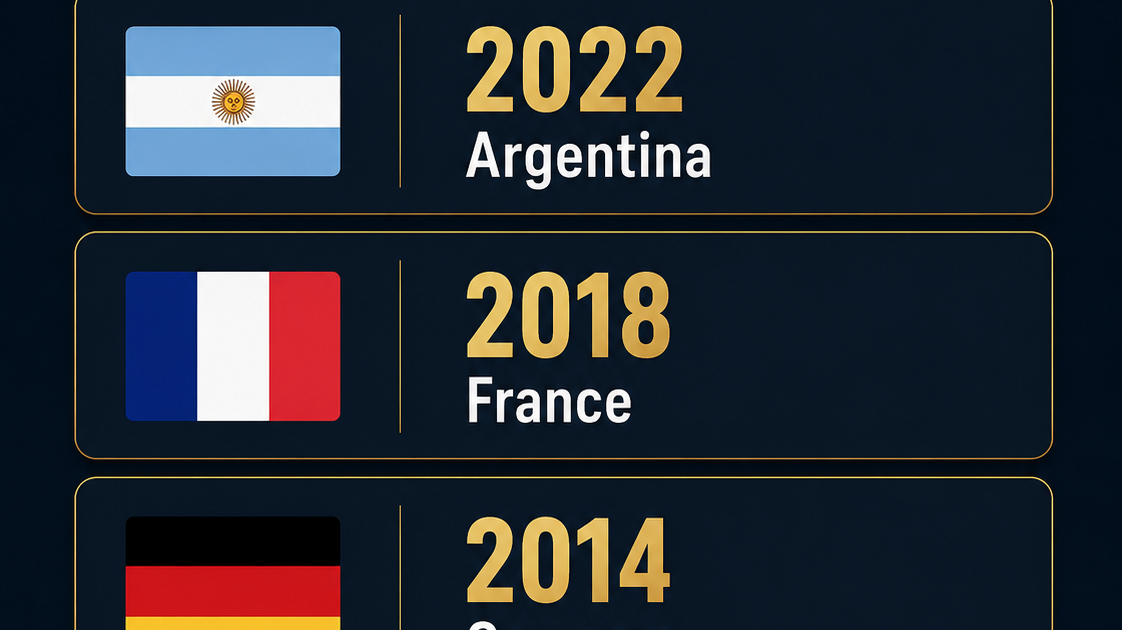
Australia head into the 2026 FIFA World Cup with genuine belief, but also with a clear understanding of where their strengths lie. The Socceroos reached the Round of 16 in Qatar before being knocked out by eventual champions Argentina, and that run reinforced how far this team has come as a reliable World Cup presence. Now, with another tournament appearance secured, Australia will aim to match or even better that achievement in a balanced, realistic way.
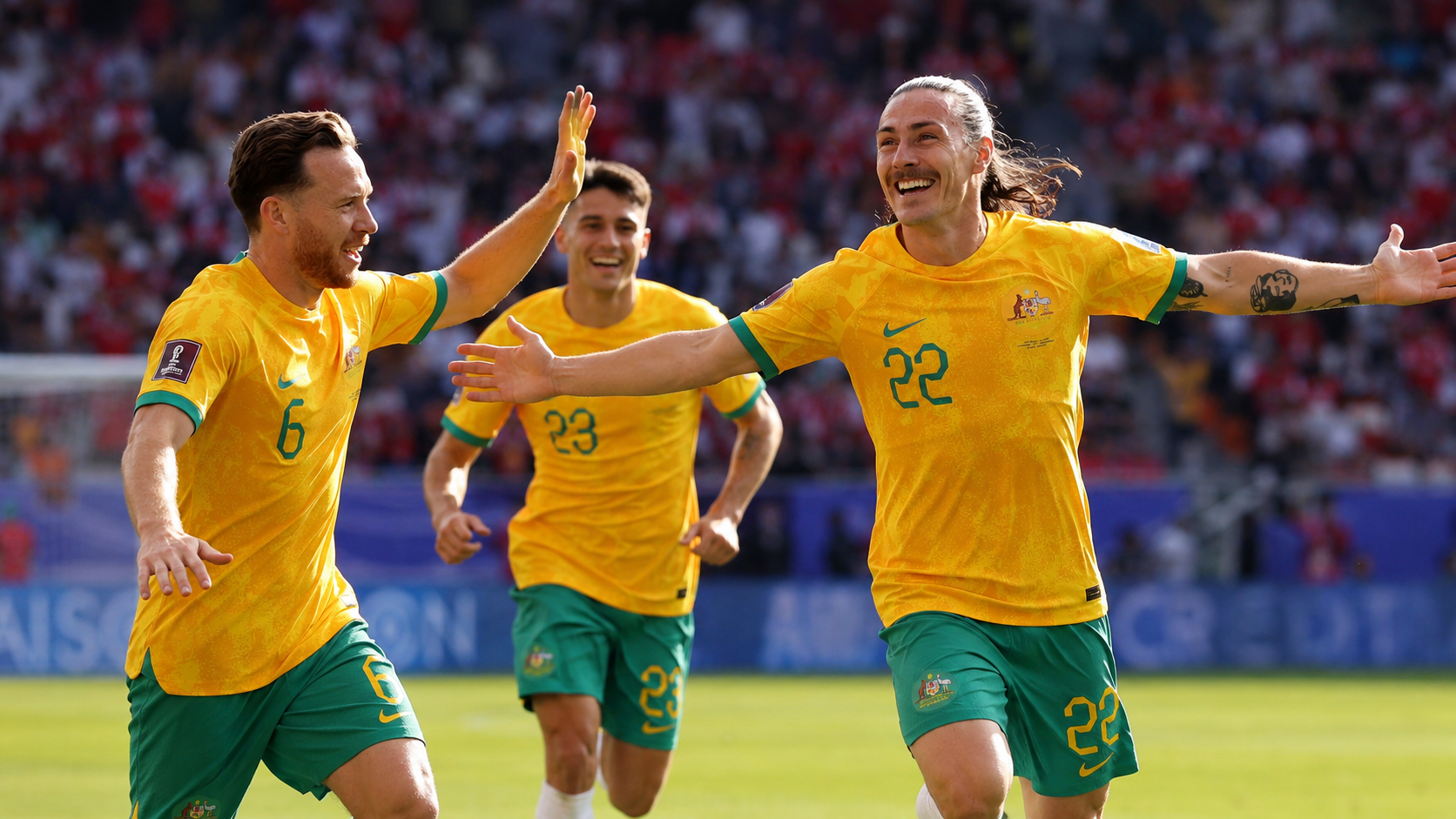
Australia World Cup 2026 team preview: why the Socceroos are no longer outsiders by default
For many years, Australia were framed as plucky underdogs simply happy to be at the World Cup. That description no longer really fits. The Socceroos have built a strong recent record of qualification, and while they are not among the elite contenders, they now arrive at major tournaments with experience, structure and a clear game model.
The 2022 FIFA World Cup was the strongest proof of that progress. Australia advanced from the group stage and reached the knockout rounds, matching the nation’s best-ever World Cup finish. Losing narrowly to Argentina was disappointing, but it also showed that the gap to top-level opposition can be managed if Australia stay organised and clinical in key moments.
That matters for anyone searching for an Australia World Cup 2026 team preview because the key question is no longer whether the Socceroos belong on this stage. The real question is whether they can turn consistency into another knockout appearance and perhaps go one step further.
Australia’s recent World Cup record shows real tournament consistency
Australia’s modern World Cup history has become defined by persistence and adaptability. They are no longer an occasional qualifier; they are a team that has learned how to navigate difficult qualification campaigns and compete against different styles on the biggest stage.
That consistency has value in tournament football. Teams outside the traditional powers often struggle with the pace, pressure and margins of a World Cup. Australia, by contrast, now have a squad culture that understands those demands.
- They have become regular FIFA World Cup participants.
- The Round of 16 finish in Qatar matched their best tournament performance.
- The current player pool includes veterans who understand tournament football.
- The team’s identity travels well because it is based on shape, discipline and work rate.
That does not guarantee progression in 2026, but it does make Australia a dangerous opponent for any side expecting an easy match.
The Tony Popovic factor: a coach likely to reinforce defensive discipline
A major talking point in any Socceroos 2026 preview is Tony Popovic. His playing background as a tough, uncompromising defender naturally points to a team that will value structure, concentration and defensive reliability.
That should not be exaggerated into suggesting Australia will suddenly become ultra-negative, but it is reasonable to expect Popovic to lean into the qualities that already suit the squad. In tournament football, especially for teams outside the top tier, being hard to break down is often the smartest route to results.
Under Popovic, Australia are likely to focus on:
- Maintaining a compact defensive block
- Limiting space between the lines
- Competing strongly in aerial duels and second balls
- Staying emotionally controlled in tight games
- Making set pieces and transitions count
That profile fits the Socceroos well. Against more technical opponents, Australia are unlikely to dominate possession for long stretches. Their path to success will usually come from staying in games, frustrating opponents and taking advantage of moments rather than trying to outplay stronger teams in open exchanges.
Likely team identity: compact, physical and difficult to wear down
If Australia are to enjoy another good World Cup, their identity will probably be easy to recognise. This is expected to be a disciplined side built on defensive shape, physical commitment and collective effort.
The Socceroos are at their best when matches become uncomfortable. They can defend deep when needed, compete in direct phases and remain switched on in the penalty areas. That is particularly important in World Cup group-stage matches, where one defensive lapse can change everything.
Key features of Australia’s likely approach include:
Defensive structure
Australia will want to stay narrow and organised, especially against teams with greater technical quality. Protecting central areas and forcing opponents wide should remain a major part of the plan.
Physical strength
The Socceroos have long been comfortable in physical contests. That remains an advantage in duels, defensive set pieces and transition moments.
Experience and work rate
World Cups reward teams that can stay disciplined for 90 minutes and beyond. Australia’s experienced core gives them a solid platform, while their overall work rate helps compensate when they face more naturally gifted opposition.
Selective attacking ambition
Australia still need enough threat going forward to avoid simply absorbing pressure. Fast breaks, wide running and set-piece efficiency may be crucial in deciding whether they draw or win close matches.
Key players who could define Australia’s World Cup 2026 campaign
Australia may not have a global superstar in the traditional sense, but they do have a number of important players whose experience and leadership could shape the entire tournament.
Mathew Ryan
Ryan remains one of the most important figures in the squad. His leadership, communication and shot-stopping ability give Australia calm under pressure. In a tournament where the Socceroos may spend long phases defending, his experience could be decisive.


Harry Souttar
When fit and in rhythm, Souttar is central to Australia’s defensive identity. He offers aerial dominance, physical presence and an ability to handle high-pressure box defending. He is also a major weapon on attacking set pieces.
Matthew Leckie
Leckie brings energy, direct running and valuable tournament know-how. Even if he is not always the headline name, his movement and work off the ball can give Australia balance in wide areas.
Young players who can add energy and unpredictability
One of the more encouraging aspects of the Socceroos squad is that there are emerging players capable of adding pace and freshness to an otherwise experienced core. If selected and trusted with minutes, they could give Australia a different dimension.
Alessandro Circati
Circati has the potential to become a major defensive piece for Australia. Composed on the ball and comfortable in duels, he could complement the more established defenders and help the team maintain composure under pressure.
Jordan Bos
Bos offers athleticism and forward thrust from wide areas. Full-backs who can carry the ball and recover defensively are valuable in tournament football, especially for teams that need to transition quickly.
Mohamed Toure
Toure can bring speed and directness in attacking situations. Players like him are useful when matches become stretched and Australia need a runner to threaten in behind.
Nestory Irankunda
Irankunda is one of the most exciting young Australian talents. His pace, aggression and willingness to attack defenders could make him a dangerous option, particularly off the bench when games open up.
Injury concerns to monitor before kickoff
No Australia World Cup 2026 squad outlook is complete without acknowledging injuries, but this is an area where caution matters. Tournament football can change quickly in the final weeks before kickoff, and availability should only be judged on confirmed updates.
Supporters will naturally keep an eye on players such as Riley McGree, Nicholas D’Agostino, Patrick Yazbek and Lewis Miller if there are late fitness concerns around the squad. However, unless there is official confirmation, it is better to treat these situations as matters to monitor rather than definite absences.
That uncertainty matters because Australia do not have unlimited depth in every position. A couple of injuries to key contributors could significantly affect balance, especially in midfield or across the back line.
Player to watch: Mathew Ryan
If one player best represents Australia’s hopes at the 2026 FIFA World Cup, it is Mathew Ryan. The captain combines leadership, experience and reliability in a role that could define the Socceroos’ tournament.
Goalkeepers often become even more important for teams built on defensive organisation, and Ryan’s influence goes beyond saves. He helps set the line, organises defenders at crosses and corners, and brings composure in tense moments.
Why Ryan stands out as Australia’s player to watch:
- He has major international and World Cup experience.
- He is central to organising Australia’s defensive structure.
- He can keep matches level when Australia are under sustained pressure.
- His leadership is vital in close, low-margin group-stage games.
If Australia are to reach the knockout stage again, there is a strong chance Ryan will play a huge role in getting them there.
Australia’s tournament outlook: realistic path, but little room for error
Australia’s overall World Cup 2026 outlook feels competitive rather than spectacular. The group is expected to be challenging, but the absence of a traditional heavyweight gives the Socceroos a realistic chance to push for qualification.
That said, realism is important. Australia are not a side that can afford sloppy starts or wasteful finishing. Their margin for error is smaller than that of top-tier nations, so details will matter:
- Defending set pieces well
- Taking chances in transition
- Managing emotion in high-pressure moments
- Getting at least one result early in the group stage
If they can do those things, another Round of 16 appearance is well within reach. And once a team reaches the knockout stage, the conversation changes. Australia would still likely enter as underdogs, but their organisation and competitive edge could make them awkward opponents in a one-off match.
For readers interested in World Cup betting markets, that profile can make Australia an intriguing team in match-by-match wagering rather than outright winner markets. They may appeal more in underdog spots, low-scoring game angles or qualification-related bets, depending on the draw and confirmed squad news.
Final verdict on the Socceroos ahead of the 2026 FIFA World Cup
Australia may not arrive at the 2026 FIFA World Cup as one of the favourites, and they should not be viewed through that lens. But they are also no longer just a surprise participant. The Socceroos have developed into a competitive, experienced national team with a clear identity and enough tournament know-how to trouble opponents.
With Tony Popovic likely to emphasise discipline and structure, and with key figures such as Mathew Ryan, Harry Souttar and Matthew Leckie providing leadership, Australia have the platform to be difficult to beat. Add in the energy of younger talents like Alessandro Circati, Jordan Bos, Mohamed Toure and Nestory Irankunda, and there is room for measured optimism.
The most realistic expectation is simple: Australia should be capable of challenging for another place in the knockout rounds. And if the margins fall their way, matching or even improving on their best World Cup result is not out of the question.